Finding Magic

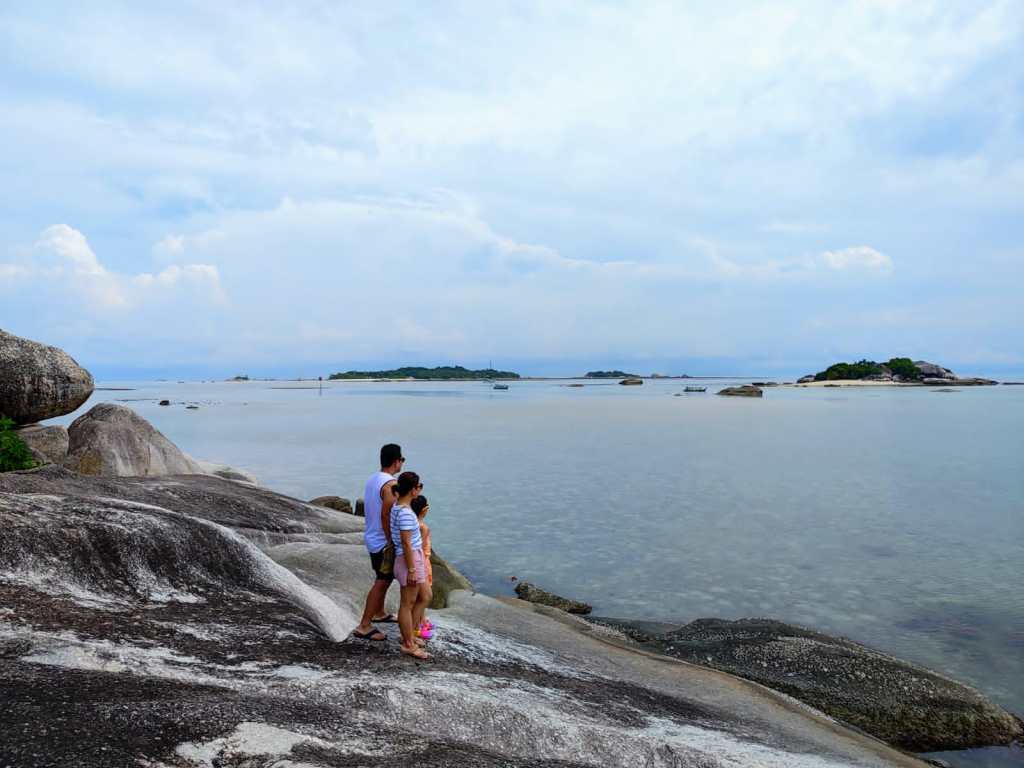
Our boat left the beach of our hotel at around eight in the morning to take us on an island-hopping adventure. The bright sun and low tide made it easy for us to see the bottom of the sea. However, in the distance the sky above the island that we were visiting looked cloudy and dark. It seemed like we were going to race against the rain. Let’s see who would reach the island first.

Halfway to the furthest island on our island-hopping itinerary, the wind started to pick up and made the waves grew higher. It made Tori super nervous. She moved closer to me and I gave her a tight squeeze.  We closed our eyes and just hugged. (This was nothing compared to our boat trip from Bali to Nusa Penida. I am pretty sure I would not want to do it again, ever!)

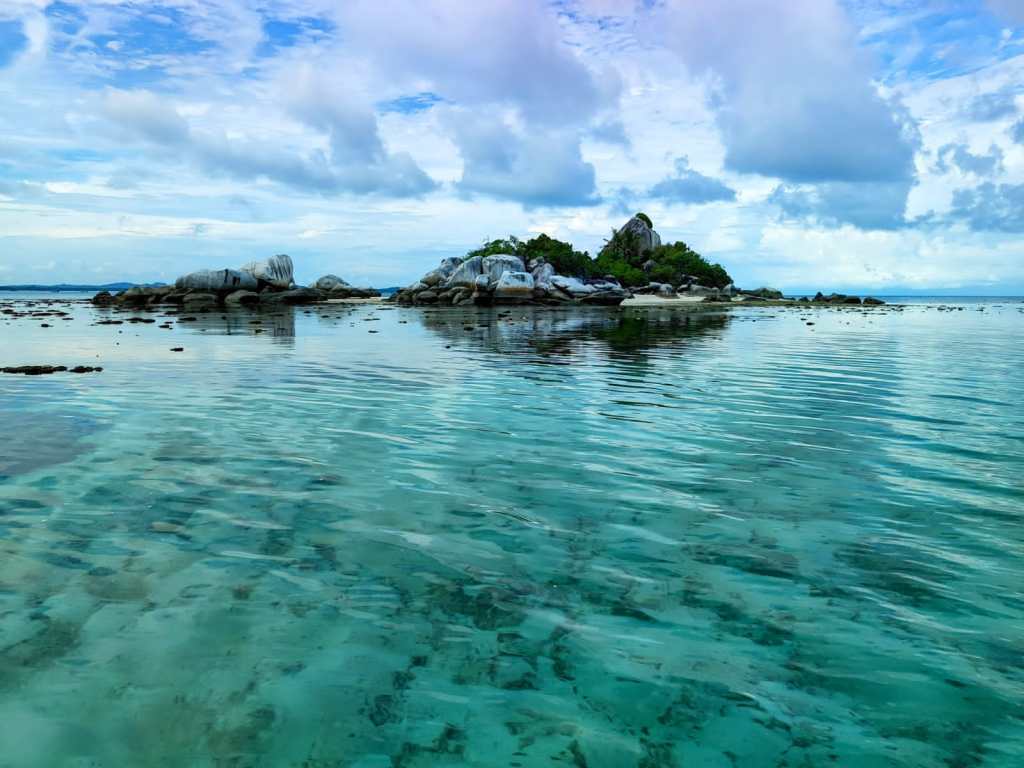
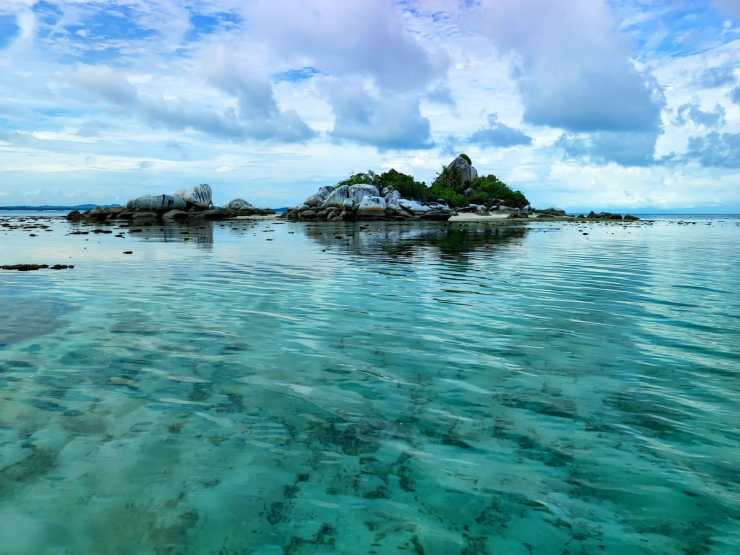
I could hear the boat’s engine slowed down. It let out a calmer hum compared to how it was before. I opened my eyes and saw Tori did the same. Our boat was getting closer to the shore, away from the choppy water. We were mesmerized by the calm and shallow turquoise water. And it seemed like we beat the rain! The dark clouds were still further away!

Look at this island! Doesn’t it look like a perfect setting for a fantasy story of trolls and other magical creatures?
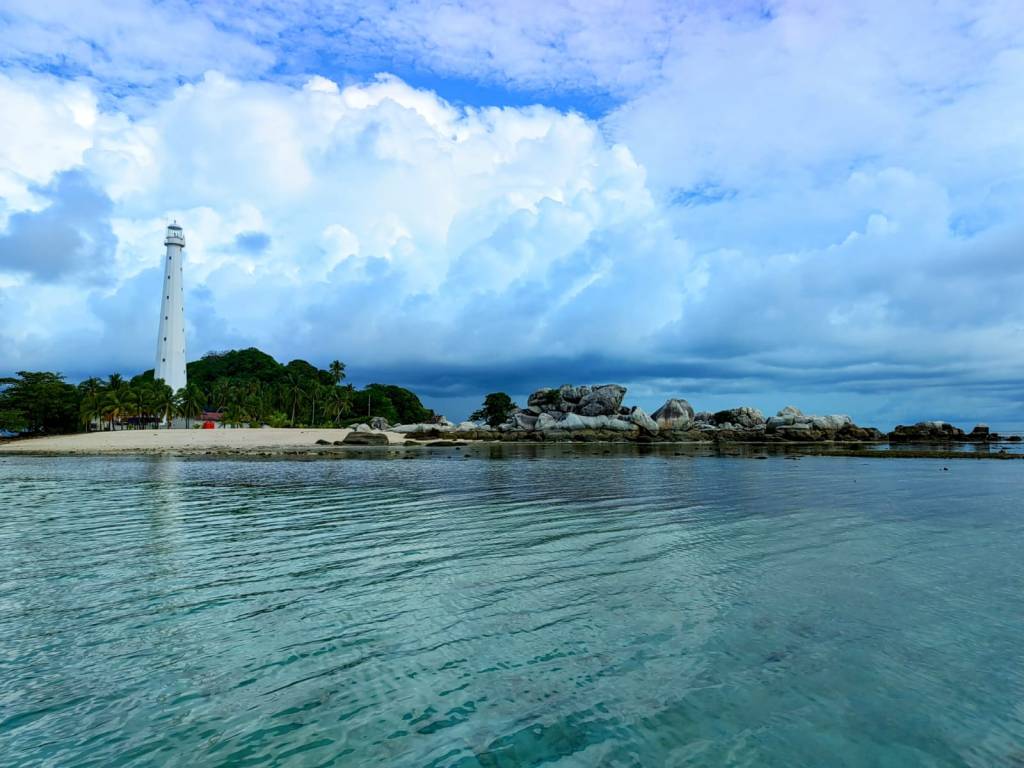
Approaching Lengkuas Island
On Lengkuas Island

The minute I set foot on the island, I was really there, present, not lost in my thoughts as I often would be. I think THAT is the magic of nature: a combination of beauty, dramatic scenery, and ruggedness – all traits that made easy to disengage from daily worries and routines. Those are the magic that I keep finding whenever we travel to nature. The change of scenery and activities have always been successful in leaving me feeling wowed and renewed. As we sat back on the boat to continue our trip, our guide jumped back into the water to pick up a big shell and gave it to Tori. A gift from the sea. A memento from this magical place.
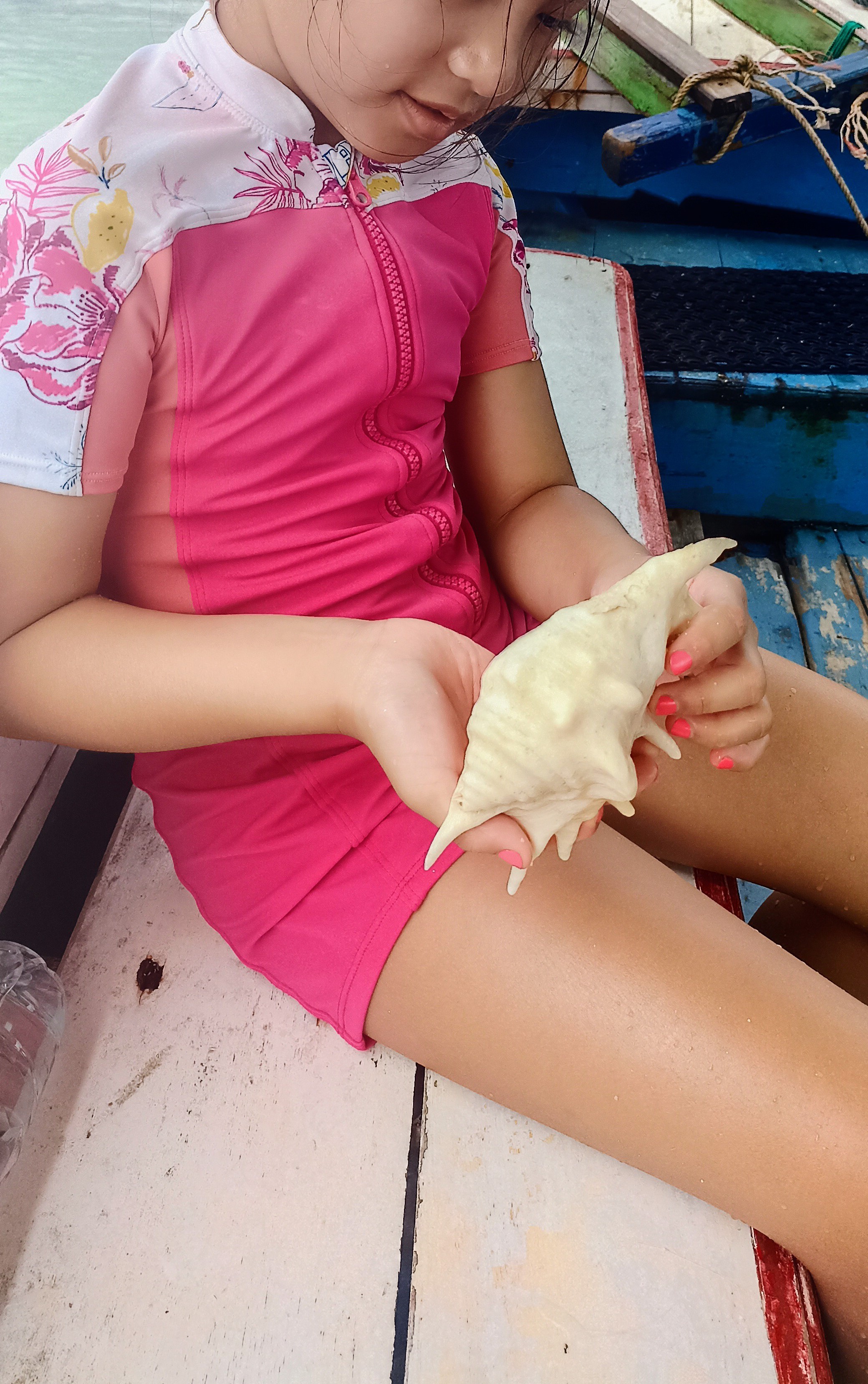
All photos and videos are mine

Taken at Lengkuas Island, Belitung, Indonesia

July 2023
Black Rocks and White Sand

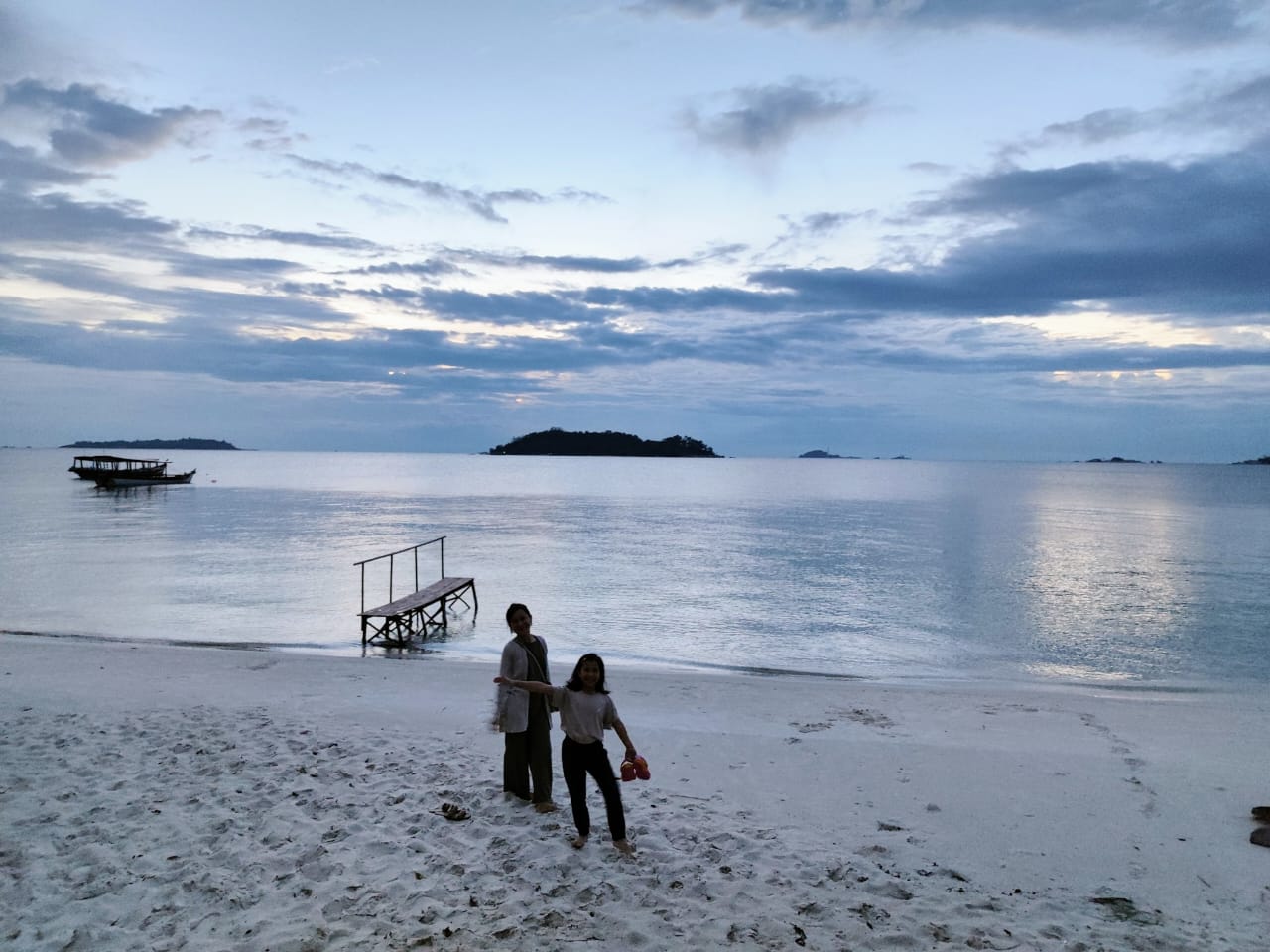
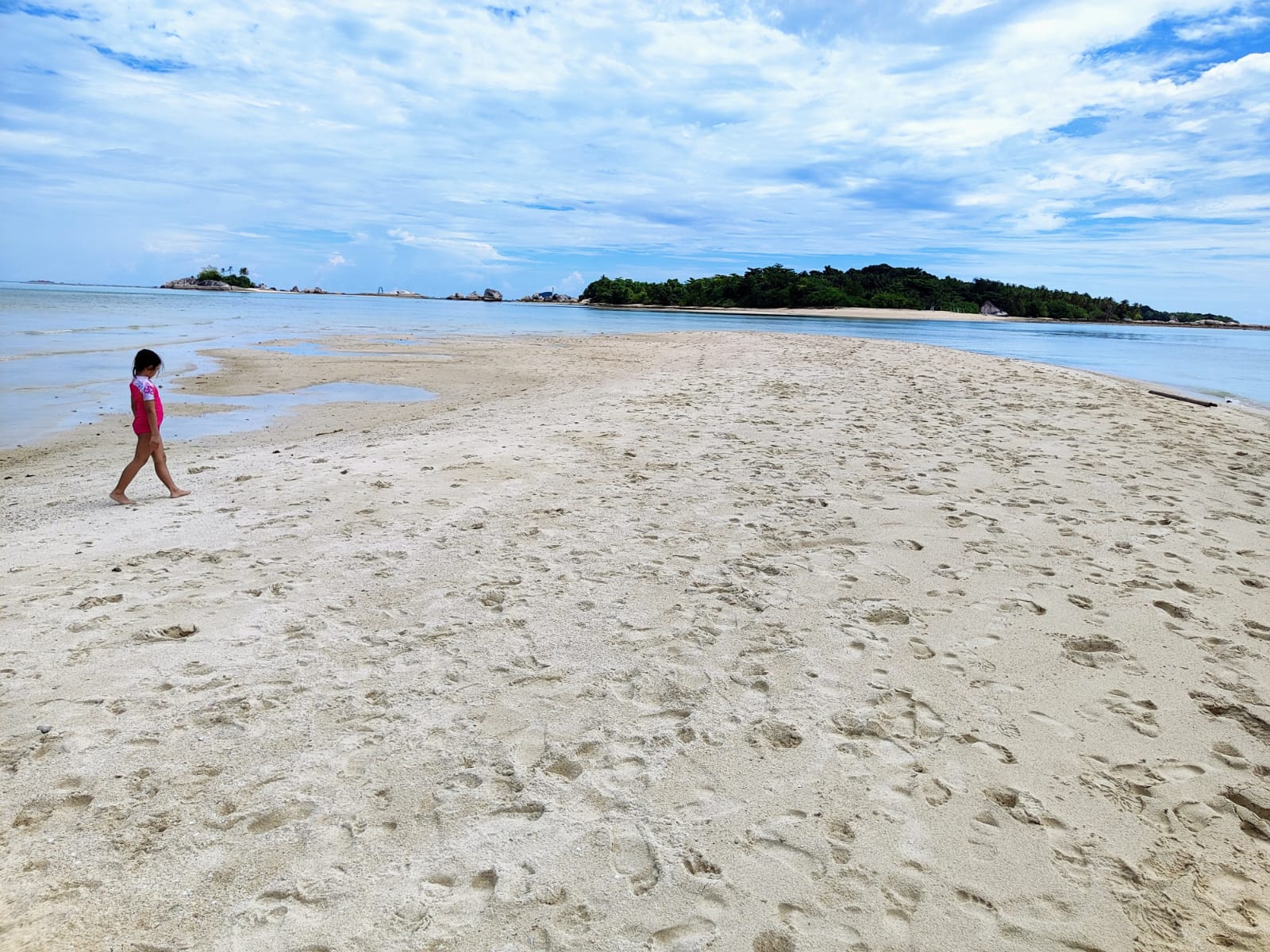
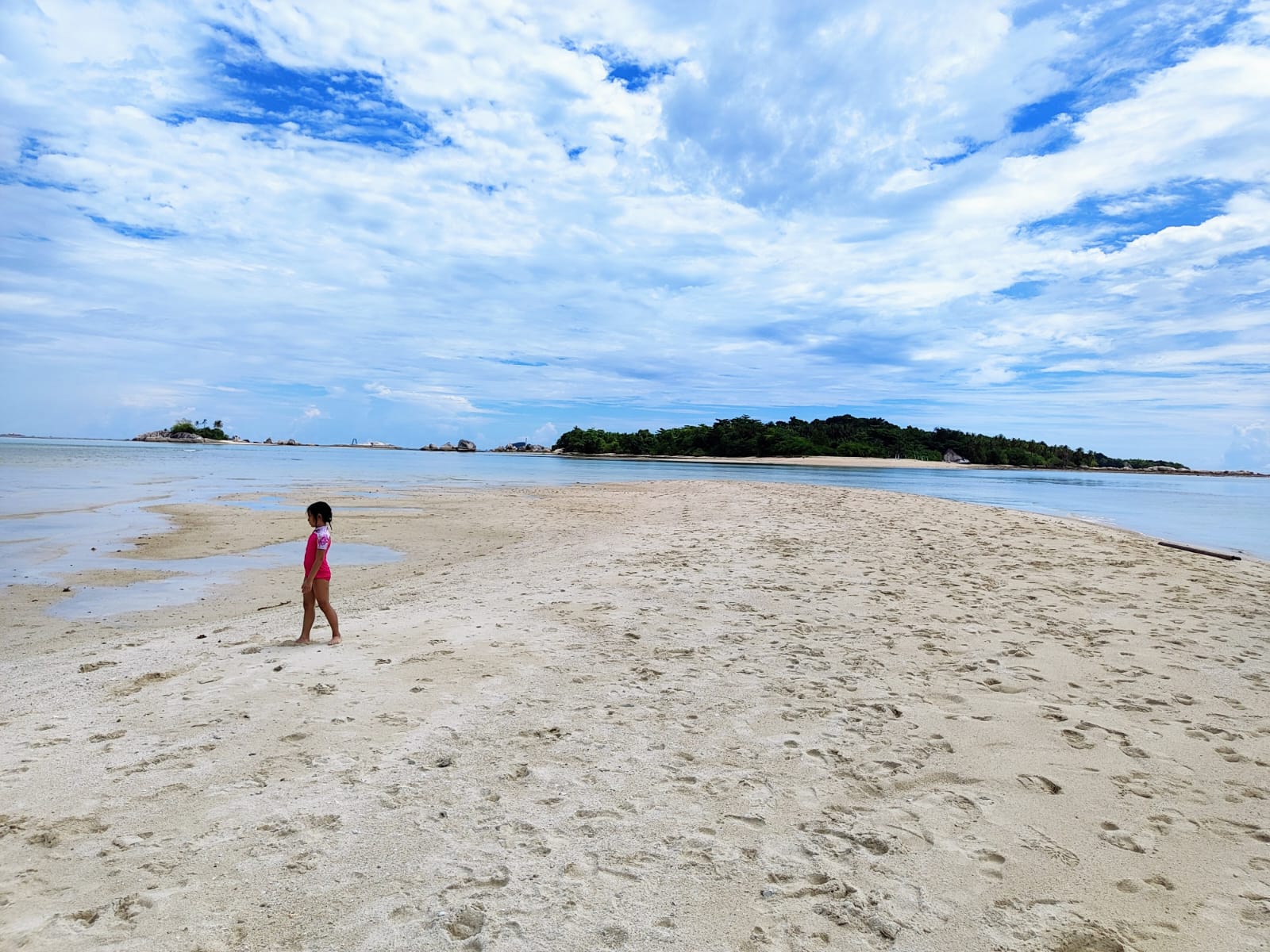
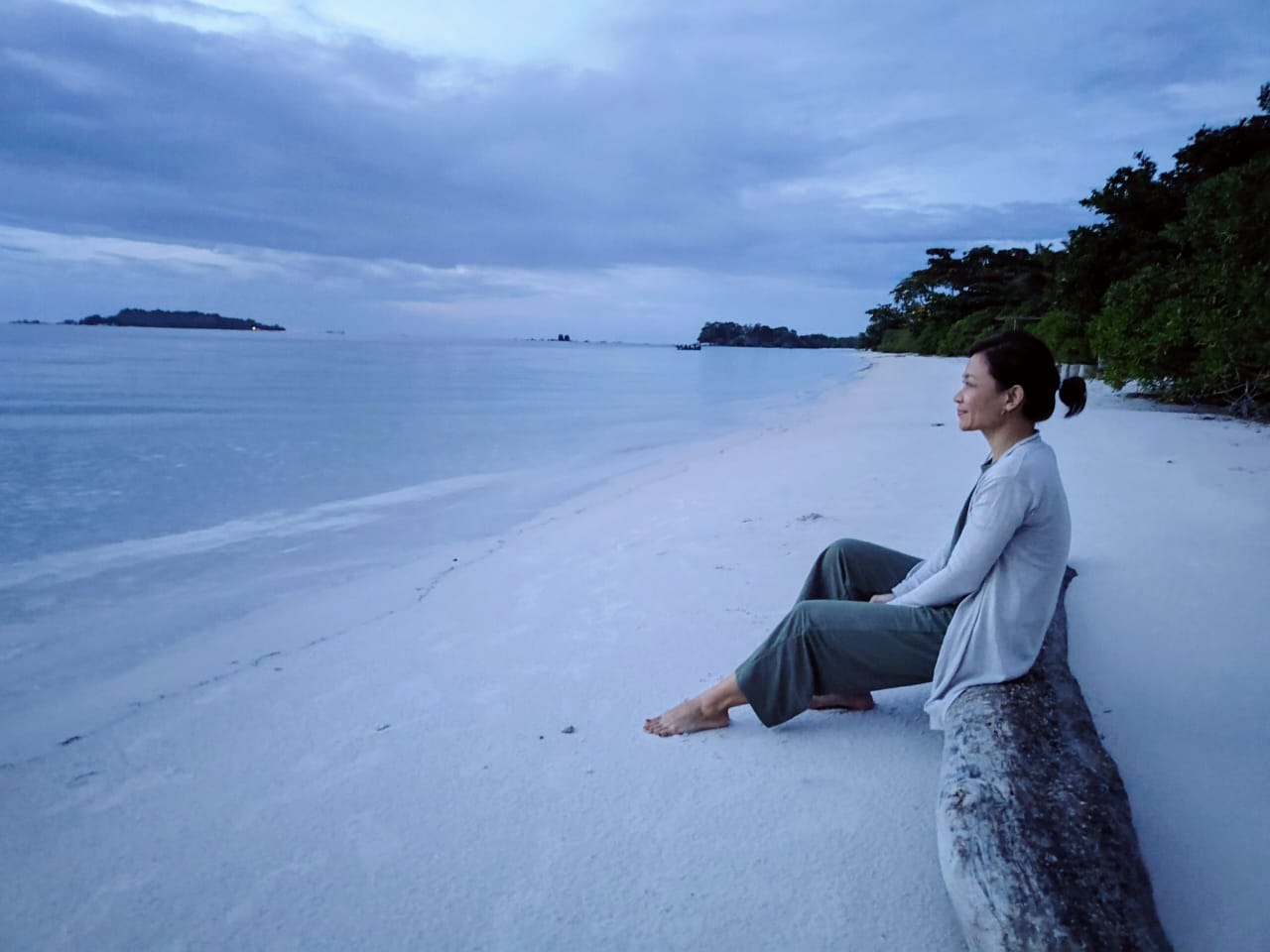
The white sandy beach stretched out for two kilometers. There were no one else but us. The sun had set and left this blue shade all around us. The water was calm, so much so that it was hard to believe it was the sea. The sand was buttery soft underneath our feet. Tori refused to leave, so we sat there watching her dance with the water. She finally relented after the sky turned completely dark. We promised her that we would be back first thing in the morning.

When we came back the next day, we could see small islands along the horizon. Some of them seemed so close that they made you wonder if you could swim your way to reach them. It was early July, which was supposed to be the start of dry season here but we had been getting clouds and some rain ever since we arrived on this island. We were grateful for both though. They kept the temperature cool for us on this otherwise hot and humid island. We had a long breakfast and took our time to swim in the sea and then the pool all morning. This was how we liked our beach vacation, we slowed down our time so that we could really take it all in.

Waking up to this view

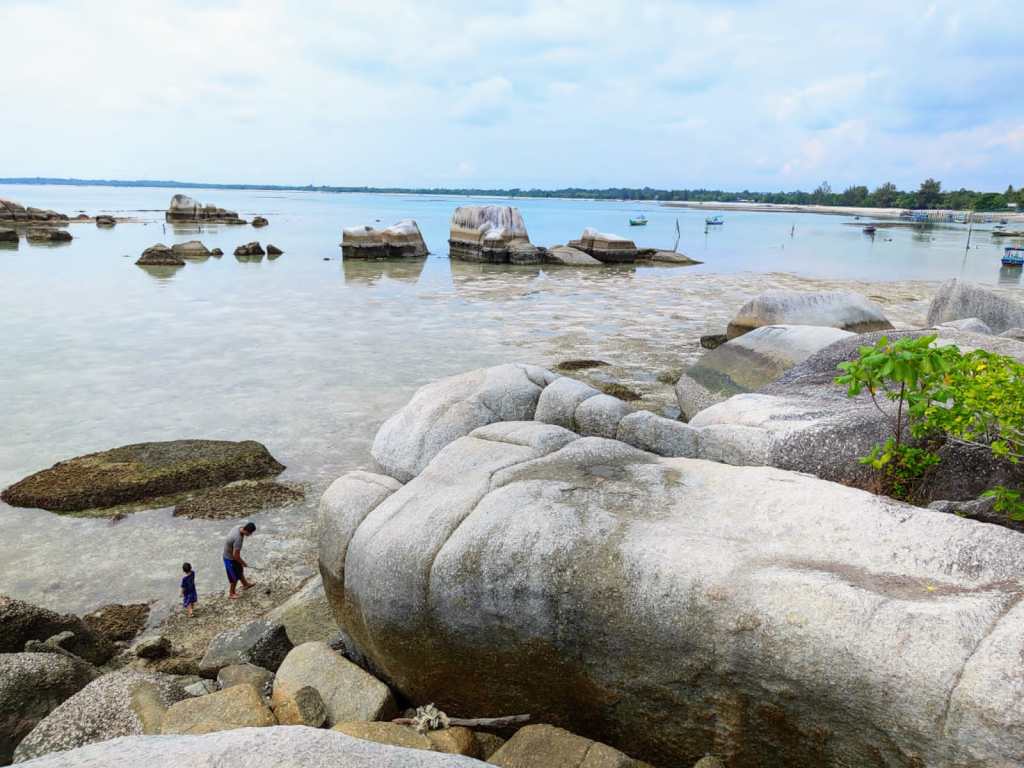
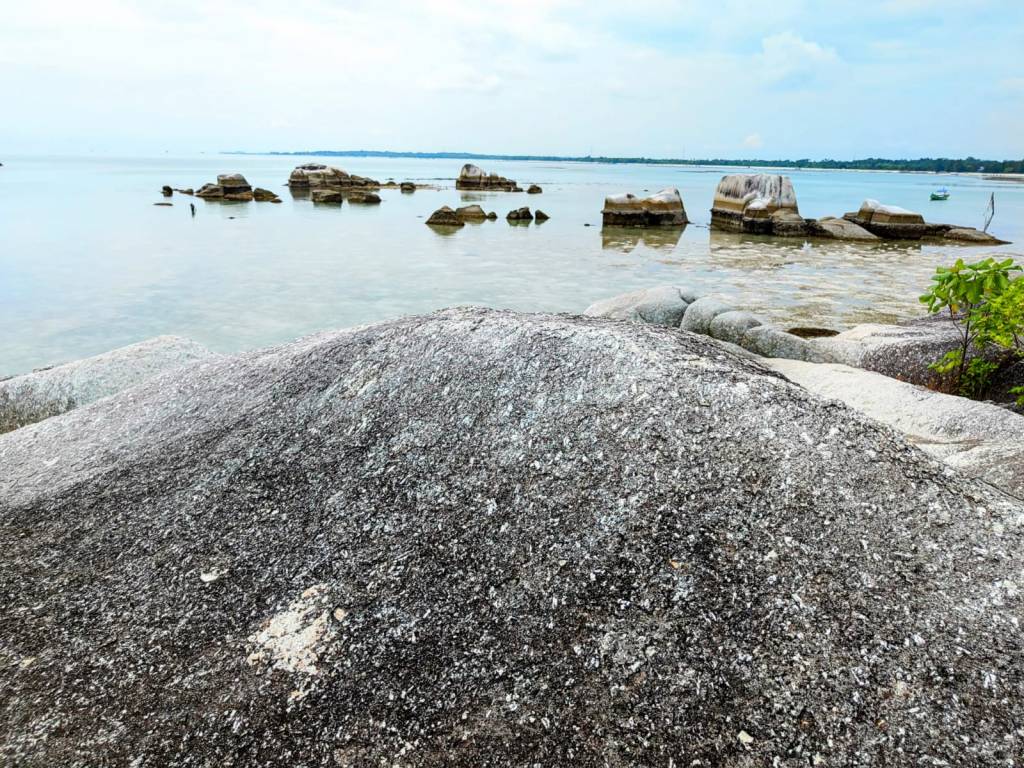
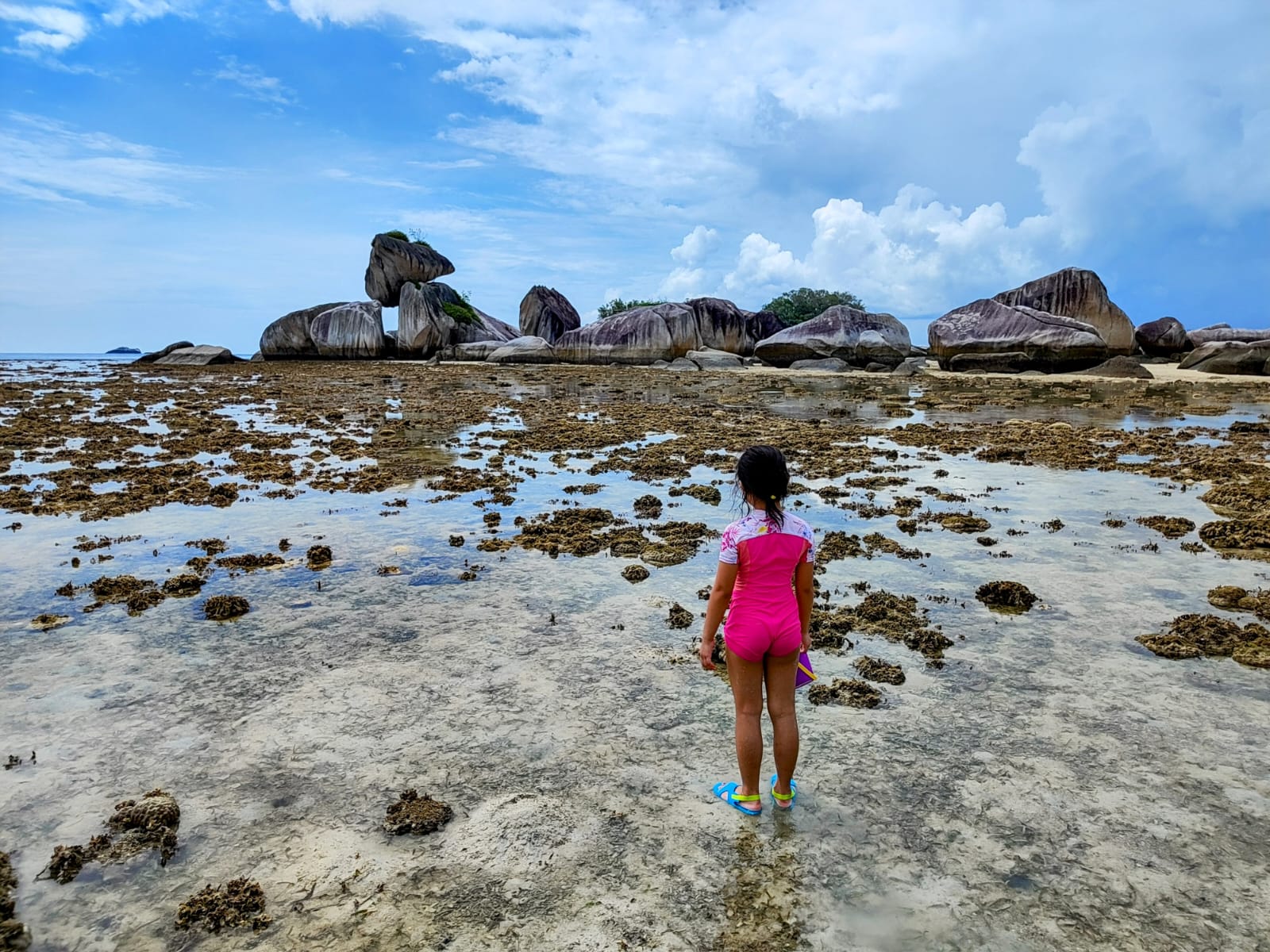
The car ride took us to see beaches with granite rocks. These gigantic rocks stood side by side all along the coast. They looked so amazing against the white sandy beach and turquoise water. We walked by them, underneath, in between, and we climbed on them as if to confirm the belief that we were so small compared to nature. We talked and wondered about what we saw. The three of us were just completely in awe with the view when finally the sun peaked through the clouds for a bit. Then the sea turned its color into turquoise.

All pictures are mine.

Taken in Belitung Island, Indonesia

July 2023

Why Travel with Kids?

Traveling with kids is much more than a memory building activity. I think traveling with them could provide so many benefits for both parties.

Are you a traveler like I am? And now you have young children? Do you feel a bit anxious to travel with them? Surely, traveling would look a bit different from what you were used to before. But, it is still very doable. Just have to be a bit patient to move in a slower pace. Here are a few nuggets that I have compiled from my own personal experiences:

  1. It provides a chance in getting to know our children better: Being in the present moment with each other lets us in on special journey in getting to know more about our children. Children are independent thinkers and great observers. Pay attention and find out. You might be pleasantly surprised by their opinions or ‘sides’ that you did not know before. Okay, let’s be honest, most of us have so much screentime these days that we could be sitting across from each other but not say a word. Traveling together ‘forces’ us to be in a situation where there would be plenty of things to see, experience, and discuss.
  2. It fulfills children’s hard core need of connection: What do you think children crave the most? I think it is our solid and undivided attention that they want the most. OMG! So much, right?! We might as well call it their magic drug, really. But, I mean…why wouldn’t they crave our affectionate attention, our touch, and gentleness. Truly, those are keys in human development, right? Traveling together allows us to really be in a situation where we could focus on each other.
  3. Develops and defines our very own “Family Time“: We, as parents, develop a good grasp of what it takes to make traveling enjoyable for everyone. It is a good exercise as a family to understand our own pace and style in traveling together. Once we get used to traveling together, it would feel so much easier where you would just be able to pack up and go without too much of a hassle.
  4. It helps us to be more present: No one is more present than young children. Look, just like anyone, many times my head feels so full of to-do list, ideas, and work worries. I spend a lot of time with my thoughts. There are moments when I have to let it be, but during these travels with my child is when I am able to snap out of my thoughts and be present. Children have that ability to rescue us from these relentless thinking.
  5. It helps us to be more flexible: When we combine all of the above along with the joy and laughter that we collect during the trips, I think we all benefit. Sure there are things that might not go according to plans, but you know what, being able to be okay with that is also a skill. Young children get tired and hungry easily. They are also tiny little humans “who just got here” and are far from being able to regulate their emotions. When we keep those things in mind, we would be able to insert flexibility in our mindset and also in our travel plans much better.
  6. Children become flexible and adaptable: Before you know it, our little ones become such savvy travelers. They know what to do and how to behave at the airport/security check/airplane/trains/ferry/car/restaurants/public spaces. They learn from mimicking our travel behaviors and from experiencing the whole journey with us. Be sure to share information with them about what the day would look like, how to get there, and what to expect. Treat them the way you would want to be treated.

Traveling together presents the opportunity for us to develop a very strong connection with our children. That connection is KEY to a great relationship and cooperation within the family. Here is to making the time to enjoy our family!

City Parks of Surabaya

It feels good to be outside. Under the shade of tall tropical trees, catching a nice cool breeze while strolling around the park. Taman Prestasi city park follows the curve of the Kalimas river right next to it. It is long and narrow, green, and filled with swing sets, slides, and climb-ups. The look on Anja’s face each time we go to a park is pure joy. So Jeff and I made it a mission to take her to parks and outdoor playgrounds in Surabaya as much as we can.

I left this city 20 years ago and I returned with a husband and a toddler last year. Both Surabaya natives, Jeff and I had been worried about outdoor activities. Surabaya is known for its heat, traffic and congestion and it is saturated by indoor shopping malls. Are we just going to be indoors all the time? What to do with a toddler in this city? I had those questions in mind along with so many other things anyone would after a major move across the ocean. Time went by. Jeff and I were too busy to notice city parks! Last week something inside of me just nudged and prompted me to take the three of us to visit a park nearby where we live. And wow, how glad I was to do so. We liked Taman Flora (Kebun Bibit Bratang) a lot.  There is joy in discovery, isn’t there? Especially when it is a clean park with playgrounds in it. That “discovery” felt encouraging. I was determined to look for other parks nearby.

A keeps asking for the swing while we’re walking through the park. She lights up immediately when we find a set, farther away from the crowd. She doesn’t care if the swings or slides or climb-up are not made of quality materials. Aren’t kids awesome that way? She plops down on the seat and swings slowly. Our daughter notices  our gestures and hears every little thing we say. So Jeff and I try not to be so critical toward things we find different from what we are used to from our lives abroad.

The three city parks we visited are decent. Sure, the playground could be better. But for Surabaya to have these outdoor spaces where we could stroll, feed the deer, swing and slide, and just enjoy being outside in the city for a bit, I think is pretty damn good. Keep up the good work, Surabaya! Stay clean and green!

Note: The third park we visited in these past two weeks was Kebun Bibit Wonorejo – forgot to take pictures!

Fall Hike

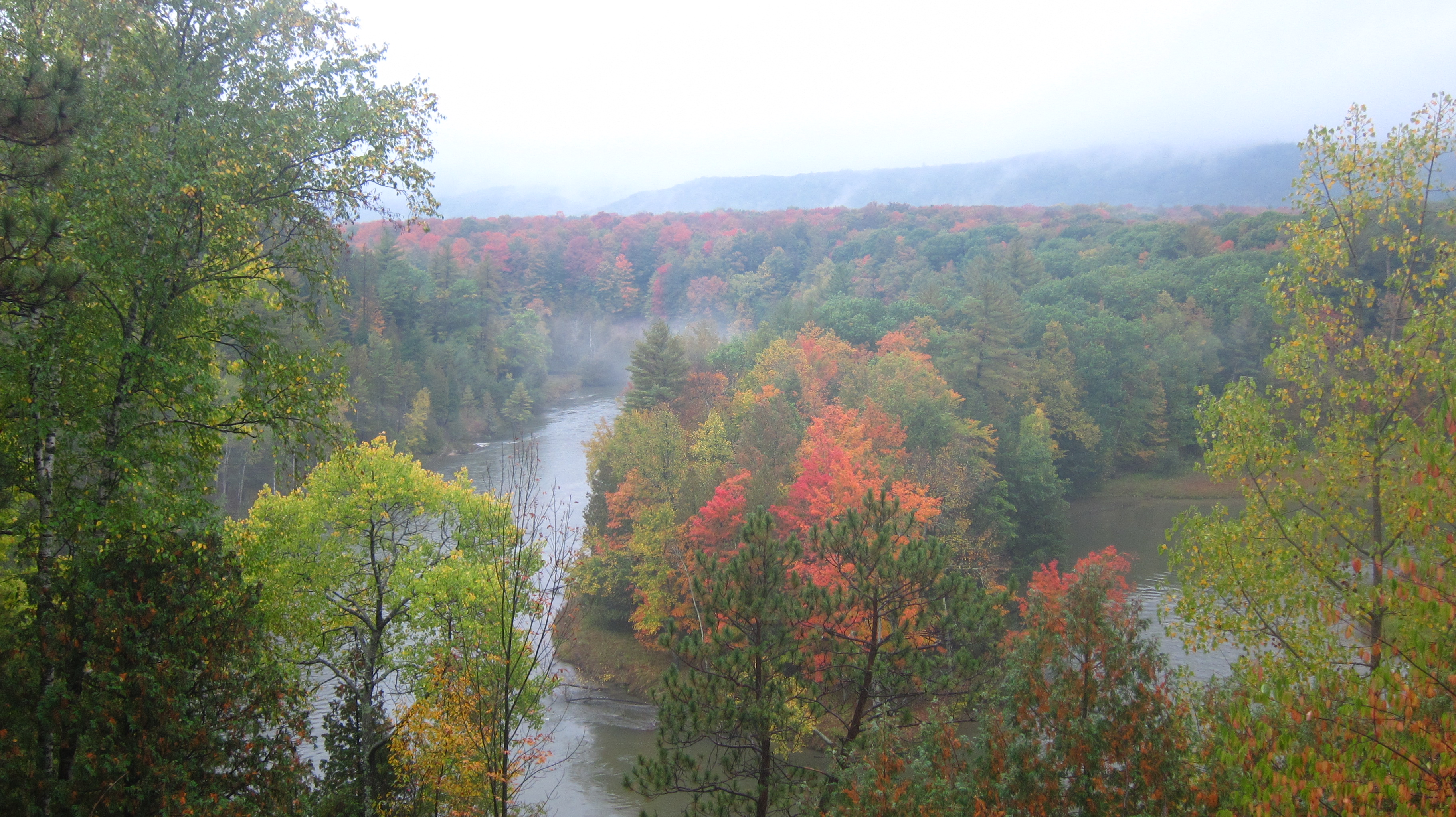
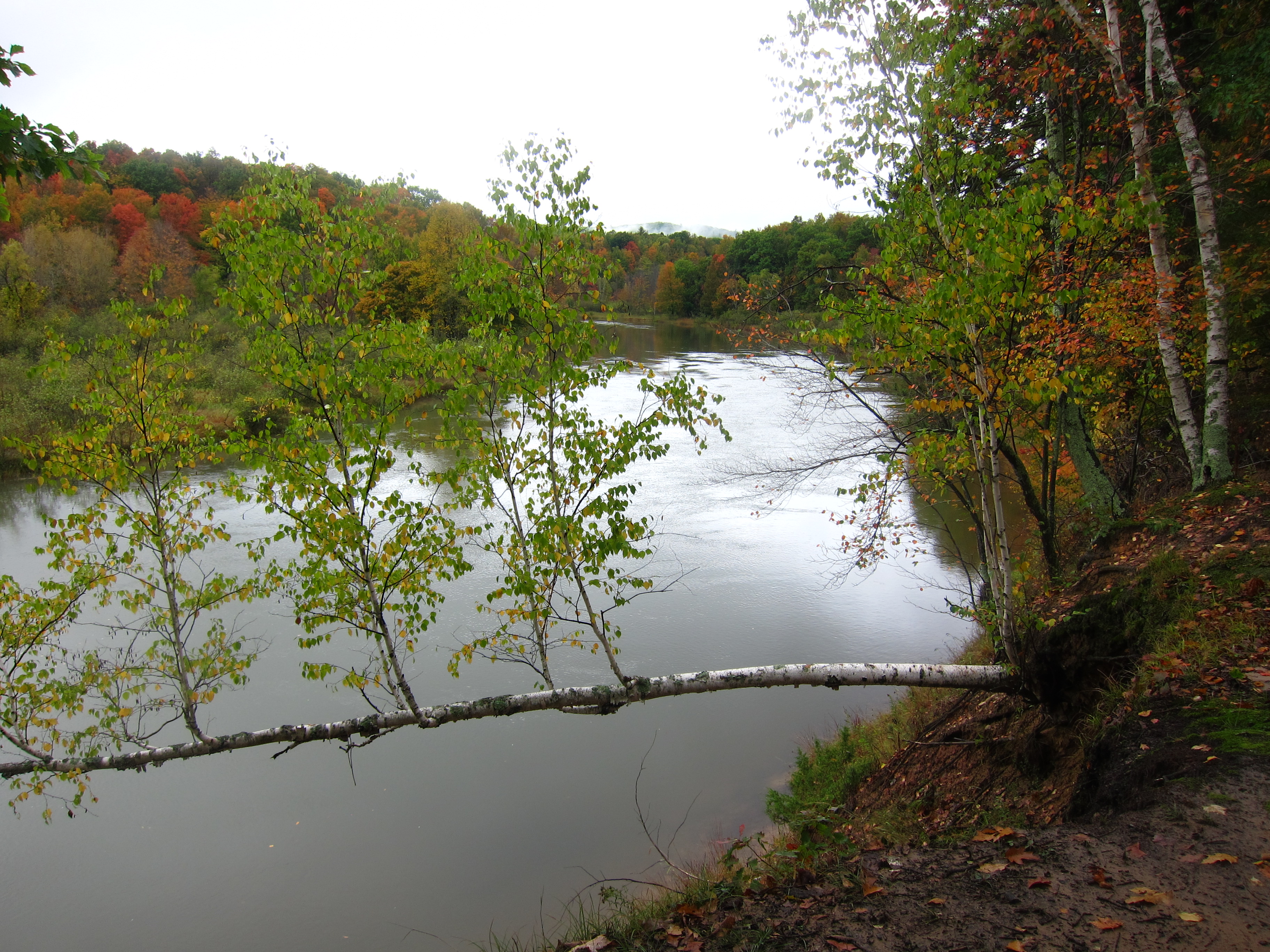
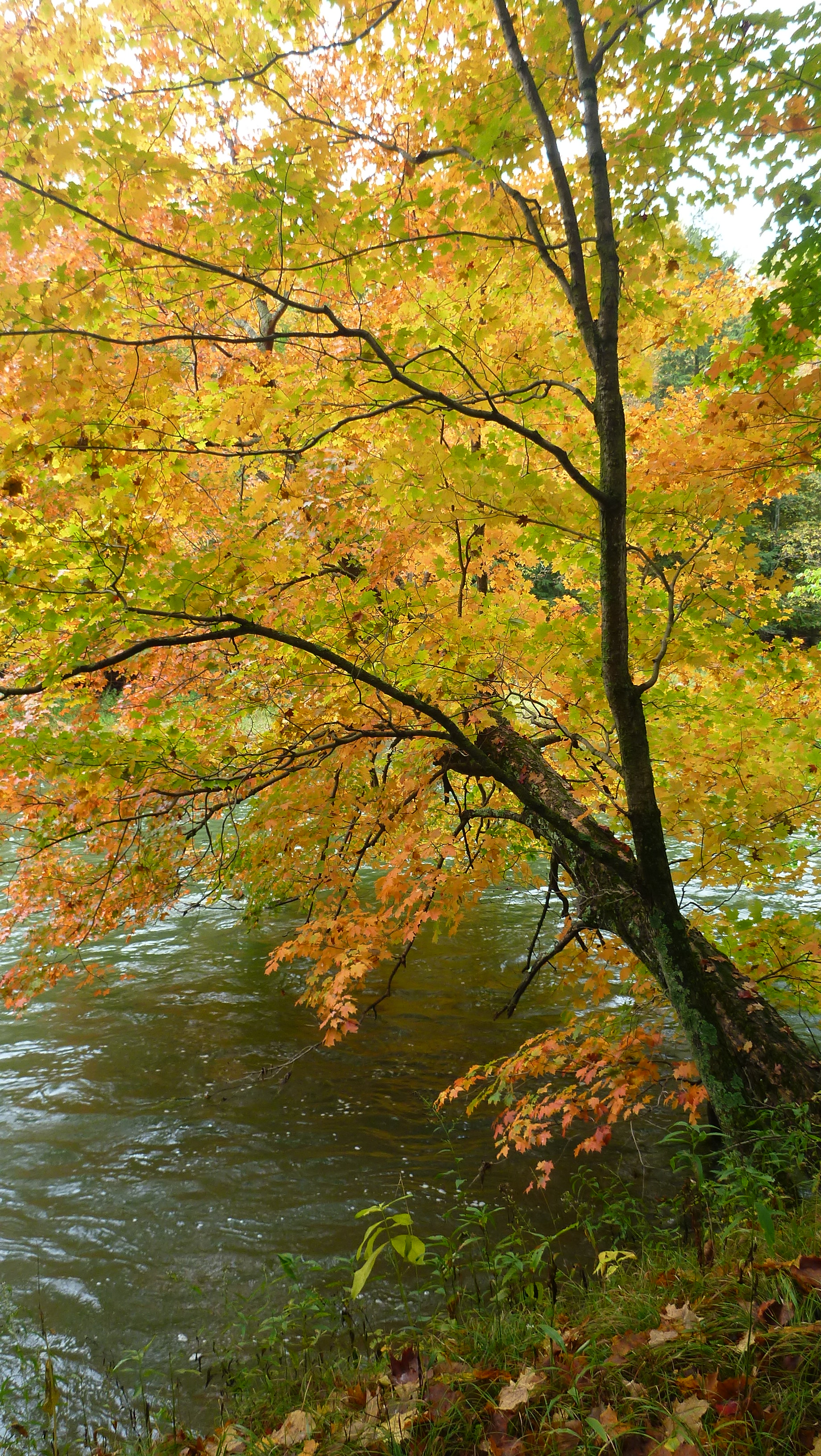
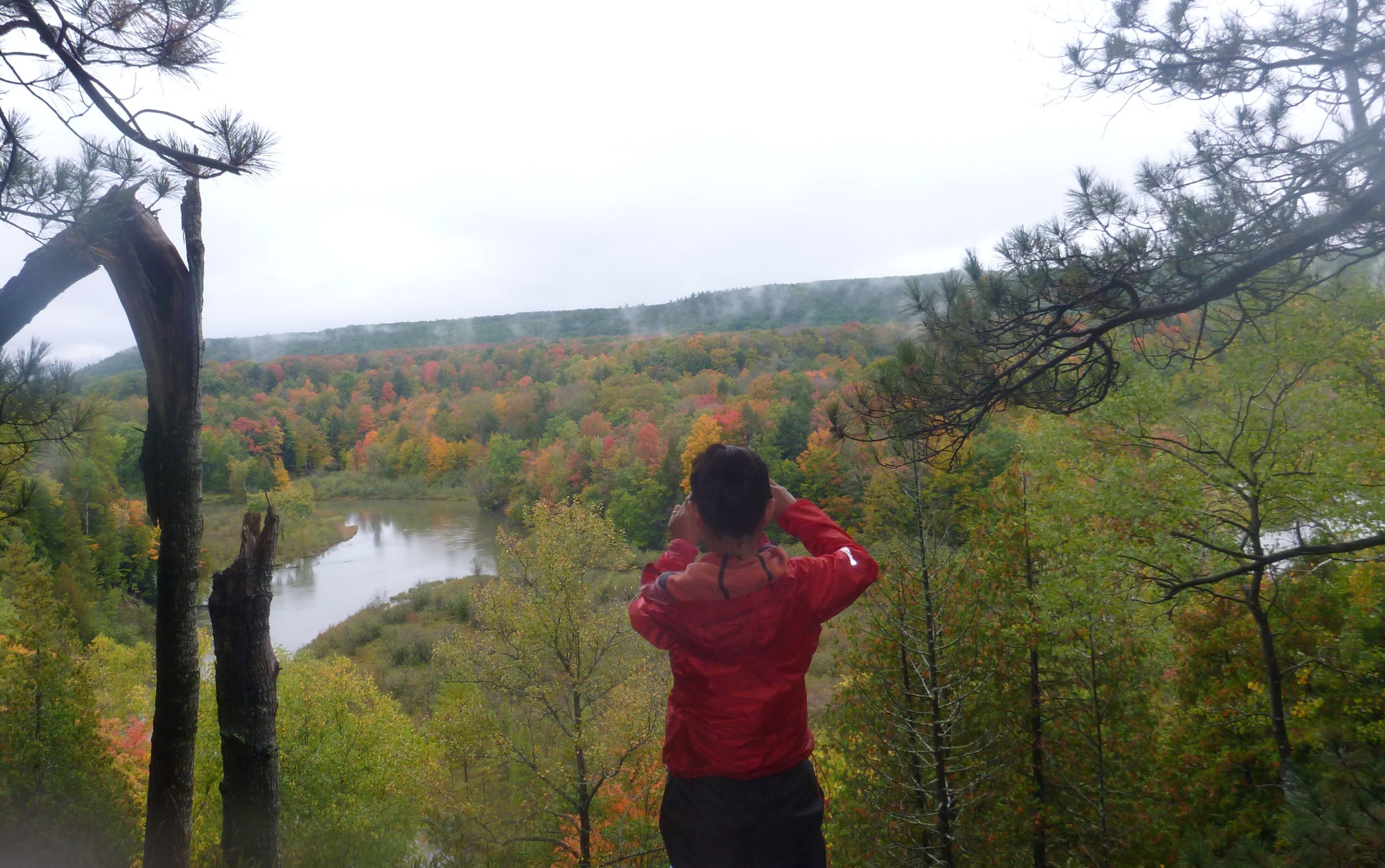
The chance of enjoying a gorgeous autumnal vision and sipping french press coffee on a cliff overlooking foggy winding river and colorful trees seemed irresistible. We gave in to the urge to return to this hilly, curvy, and scenic trail and hike in the midst of falling leaves. It was early fall in Michigan after all, a beautiful time of the year to go for a hike.

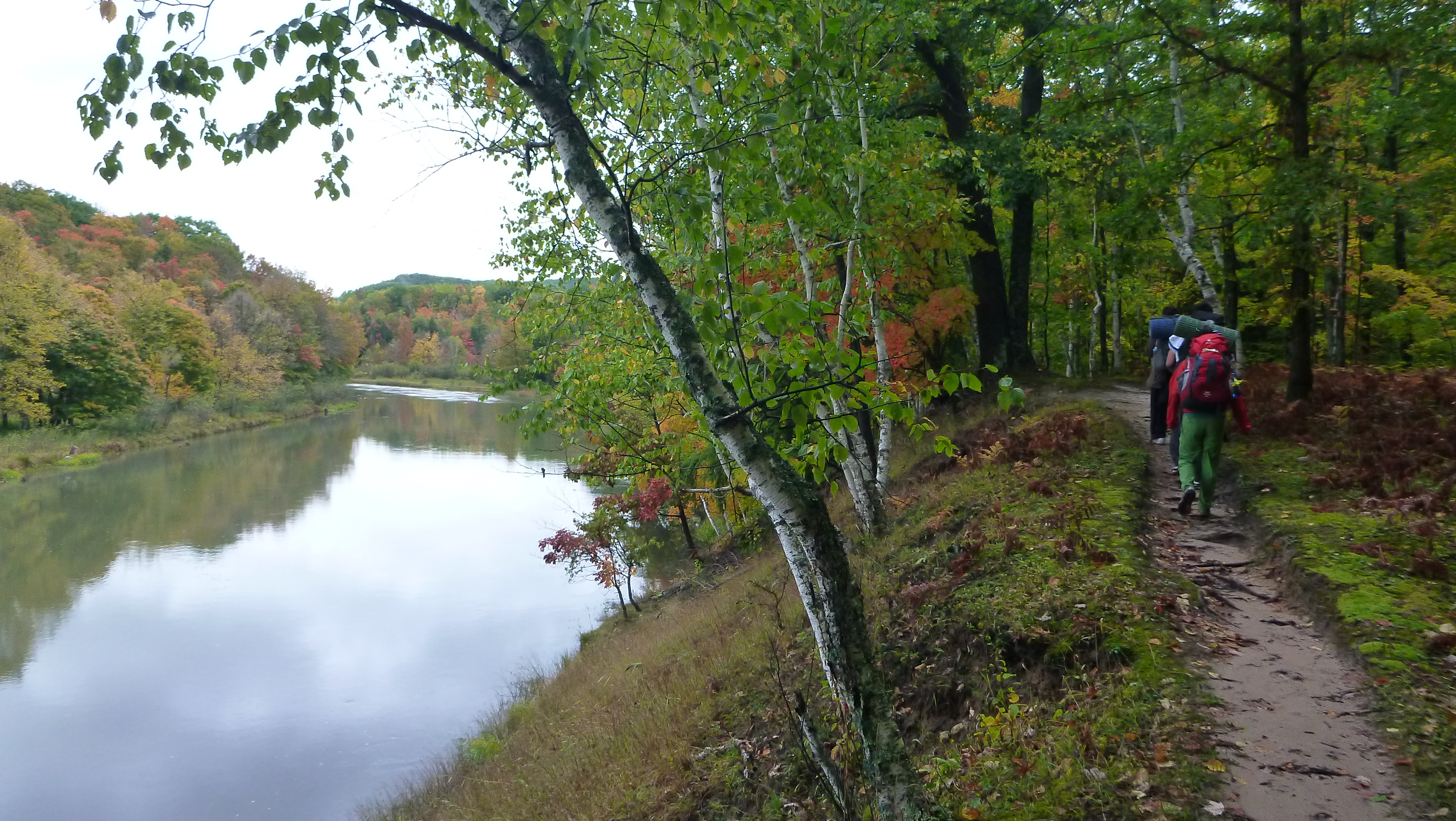
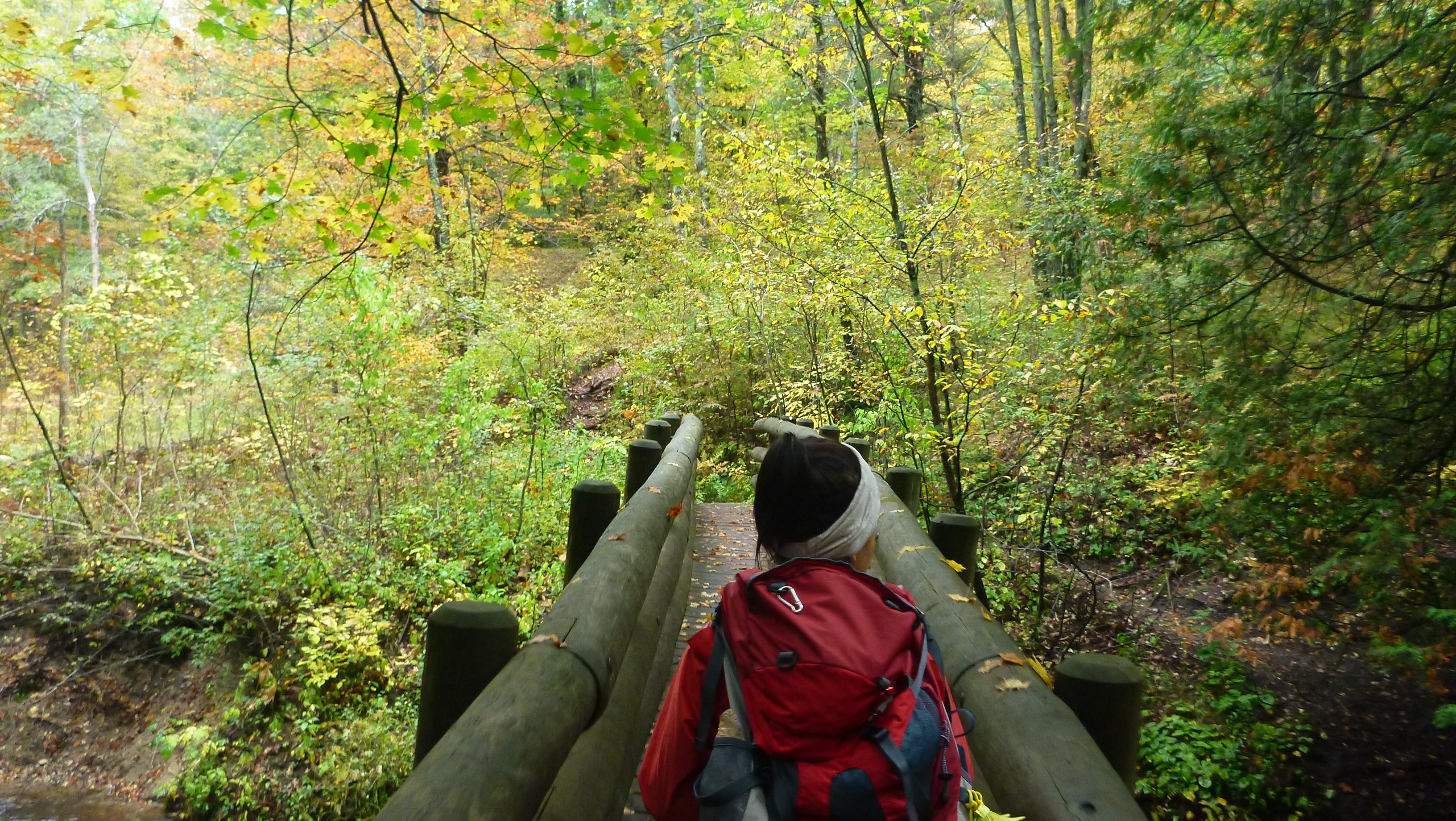
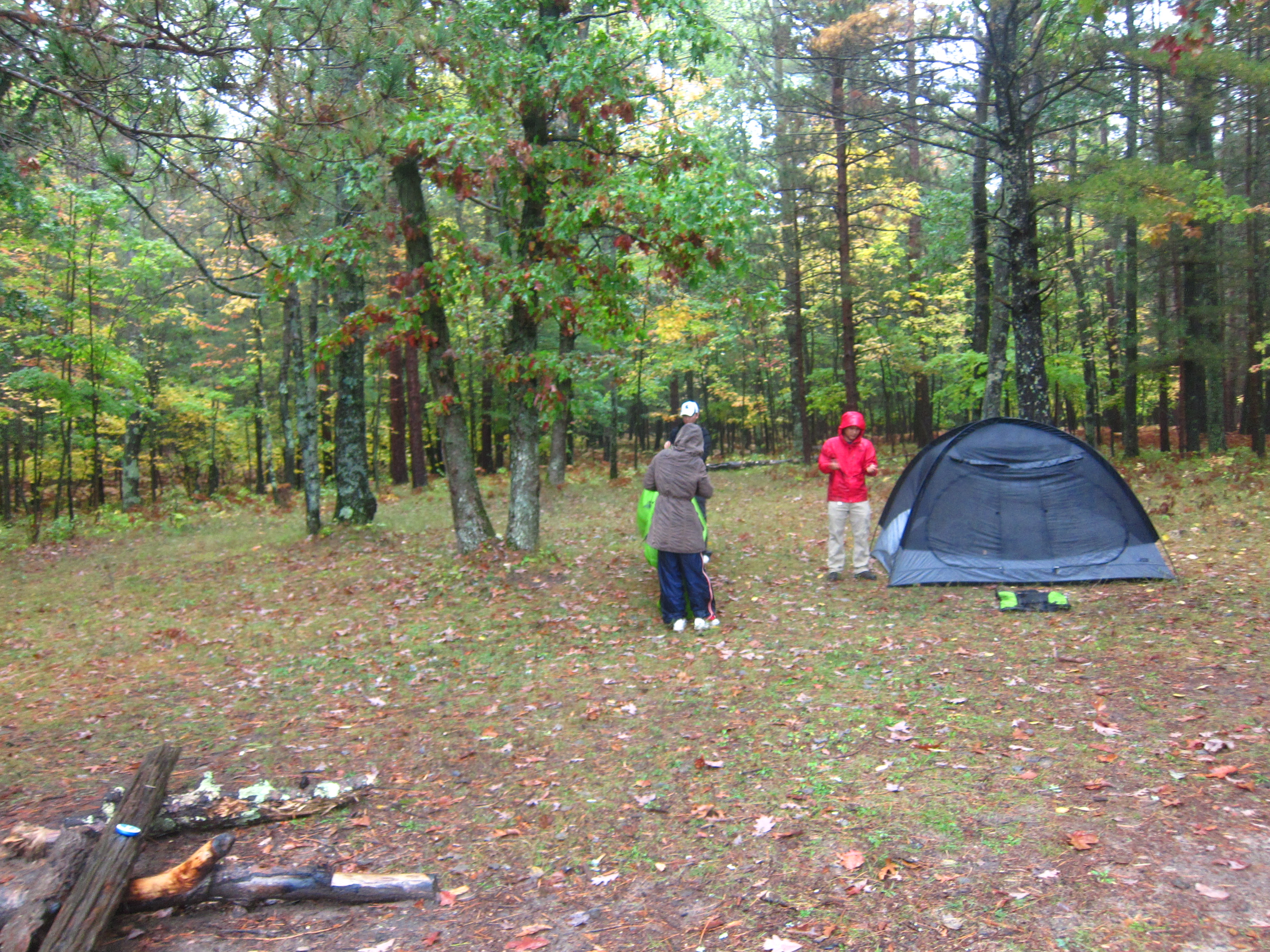
I came to a realization during the trip. The desire to experience nature’s hidden beauties up close demanded the willingness to do some work. For this one, it required a 23-mile hike with a backpack in a forest and sleeping in a tent in torrential rain and thundering sky, that shook the ground beneath the sleeping bag and pad, for two nights. It also asked for the determination to keep going despite the rain and a sunny attitude even when the feet and shoulders started to throb. Still, efforts did pay off.

Manistee River Trail MI 1

Manistee River Trail 2

Manistee River Trail 3
Manistee River Trail 4

Manistee River Trail 5

Manistee River Trail 6

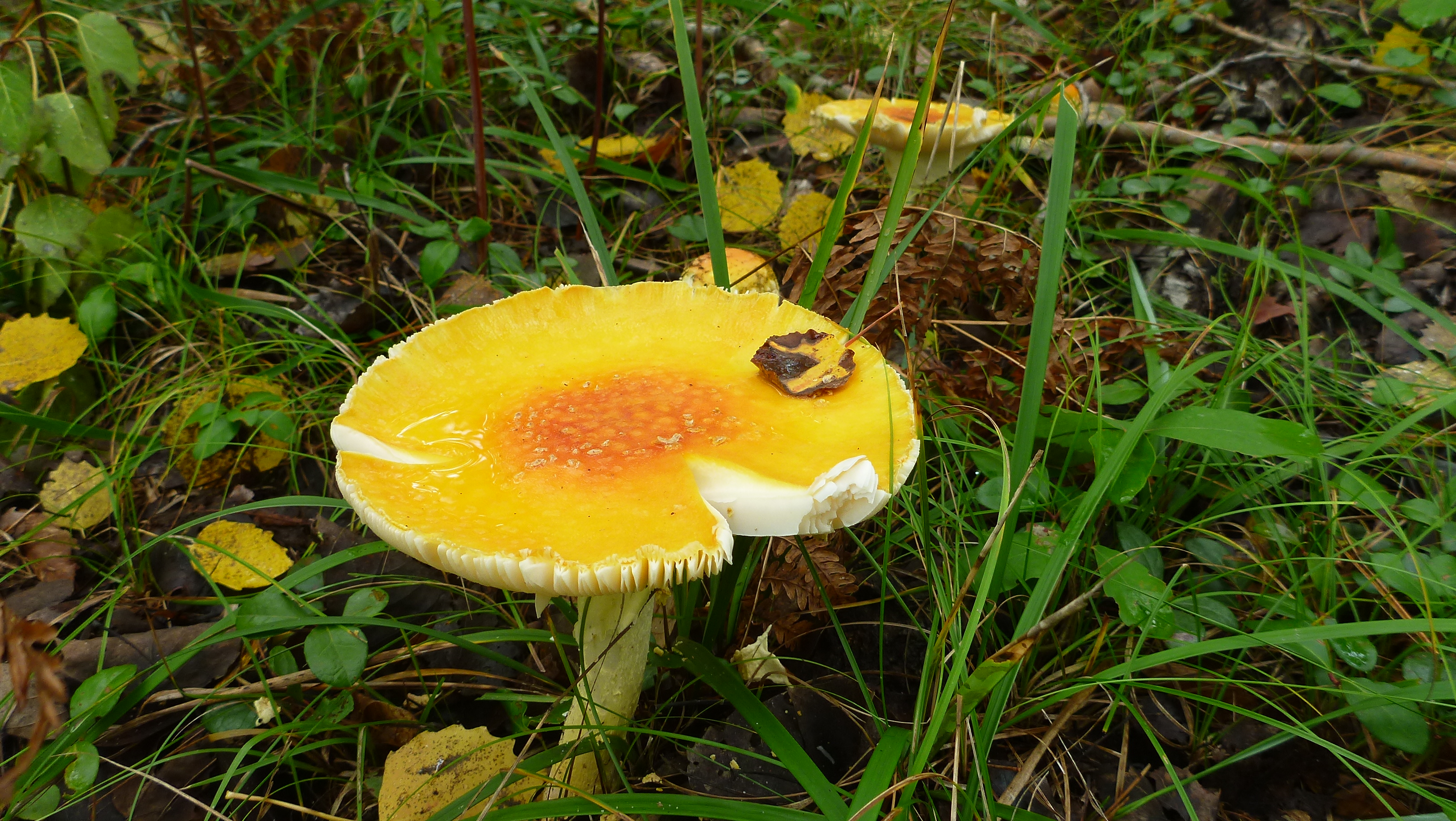
Mushroom Manistee River Trail 7

Manistee River Trail 8

Manistee River Trail 9Manistee River Trail 10

Photos properties of The Traveling Chili Pepper

Location: Michigan Manistee River Trail

Some of the backpacks: Deuter and Osprey 

Some of the sleeping bags: Lafuma and Sierra Design

Sleeping pads pump by Camp-Tek 

Shoes (waterproof, trail/hiking): Columbia and Merrell

Check out REI for more cool backpacking/hiking gears

Some rain gears: CampmorMarmotOutdoor ResearchMountain HardwareIntegral Designs

The Mystical and Historic East Java

(Touring the Motherland Series)

As part of the Majapahit Empire in the 13th – 16th century, Surabaya and its surrounding area in East Java province has much history to tell. About 35 miles south of Surabaya, nearby Trawas, Mount Penanggungan stands keeping hundreds of historical monuments left by the kingdom. East Javanese in Majapahit era embraced both Hindu-Buddha spirituality and considered the mountain to be sacred. Hence the places of worship built all over Penanggungan. So when my guy and I heard about an archaeological trail being developed on the mountain by University of Surabaya, we immediately signed up for a short day-hike.

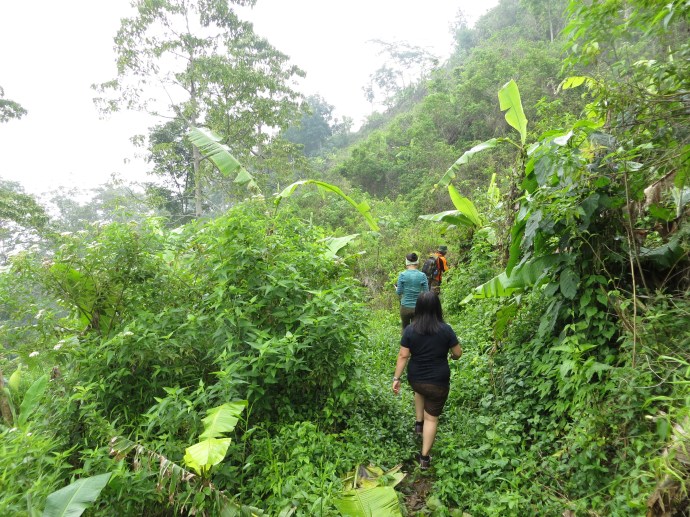
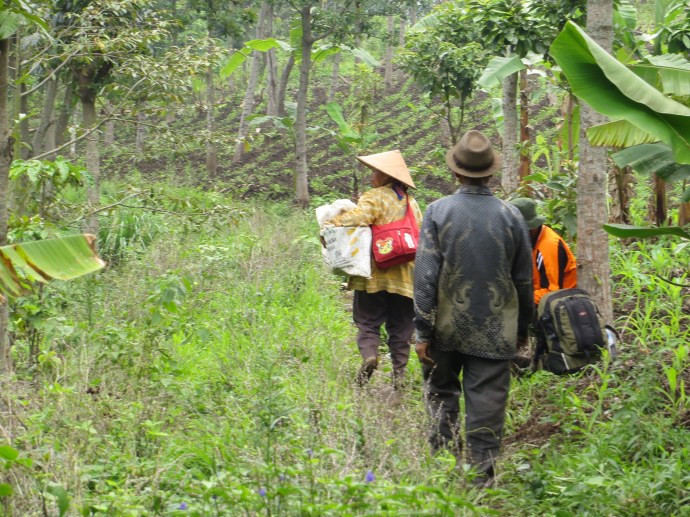
The distinct profile of Penanggungan, with its cone shape, rounded summit as the center, and the small hills that looked like they sat symmetrically circling the mountain’s shoulders, made a majestic backdrop. By mid morning, we joined a small group to hike through the woods up to the mountain. The rocky and grassy trail turned muddy and slippery after the rain. It made ascending and descending on the short distance route we chose to be quite challenging. I think all five of us must have slipped at least once (and many times for me!). 

Mount Penanggungan's summit
Mount Penanggungan’s summit

Mount Penanggungan

Going up the mountain

The two ancient ruins we saw, Selo Kelir and Telong Blandong, looked like gigantic terraces that made up one big temple for spiritual ceremonies. The consultant explained that most artifacts at the ancient sites all over the mountain have been stolen. Archaeological theft is such an unfortunate reality and a real challenge in history preservation effort.

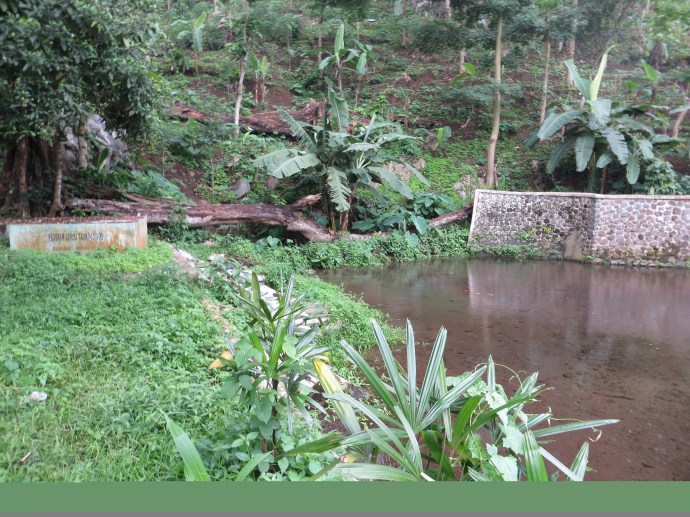
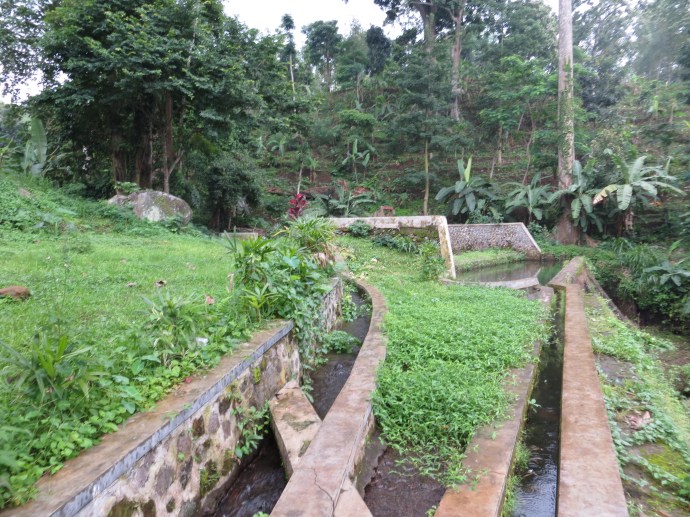
Overlooking a stretch of lush green valley, the view from the top of Telong Blandong was nothing short of spectacular. The fog set in as we started to descend slowly. We passed a spring on the way back. The smell of incense burning along the weir added a mystical feel to the experience.

I’ve always been fascinated by Penanggungan ever since I was little. Little did I know that behind its beauty lies mystical and rich cultural history of East Java. Penanggungan’s charm didn’t disappear with the fall of the Majapahit empire. It continues to allure people to admire its magnificence closely on its wild slopes or from afar. Either way is a treat for the soul.

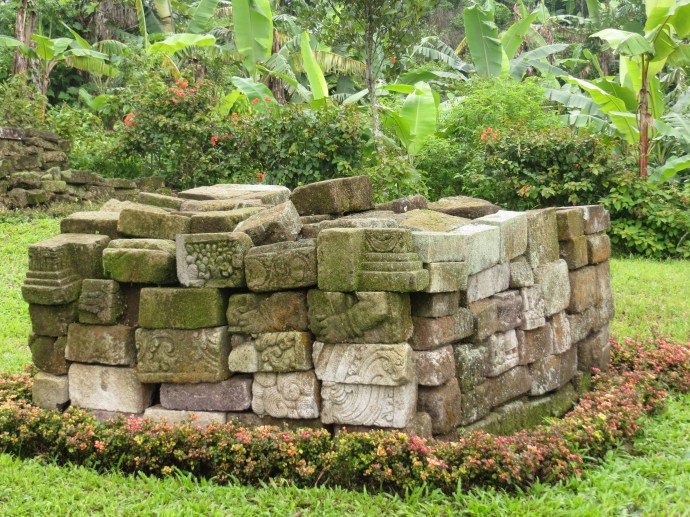
Carved stones that probably used to make up part of the temple.

Carved stonesPart of the monument Selo Kelir

Some part of the trail has been developed

Locals look for grass in the mountain to sell to cattle owners.

A spring
A spring

Water from the spring passing through a weir

Offerings and incense burning along the weir

Other historic places we visited while in Trawas:

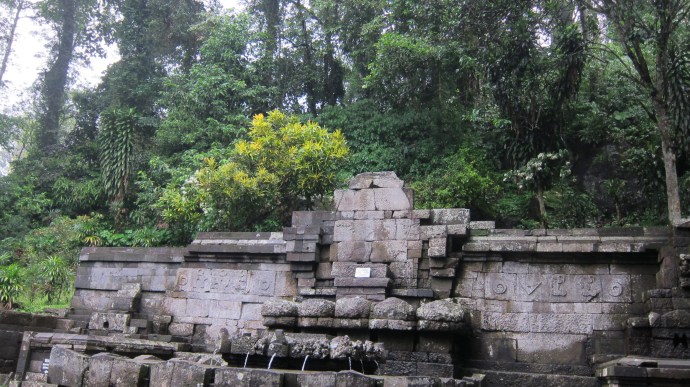
Jolotundo Temple: a water spring reservoir dated back to 977 CE. It was said to be King Airlangga's place to meditate. It is also said  that the water from the spring behind the temple to be very clean and has high minerals. Bathing pools are available on the two sides. One side for women and another side for men.
Jolotundo Temple: a water spring reservoir dated back to 977 CE. It was said to be King Airlangga’s place to meditate. It is also said that the water from the spring behind the temple to be very clean and has high minerals. Bathing pools are available on the two sides. One side for women and another side for men.

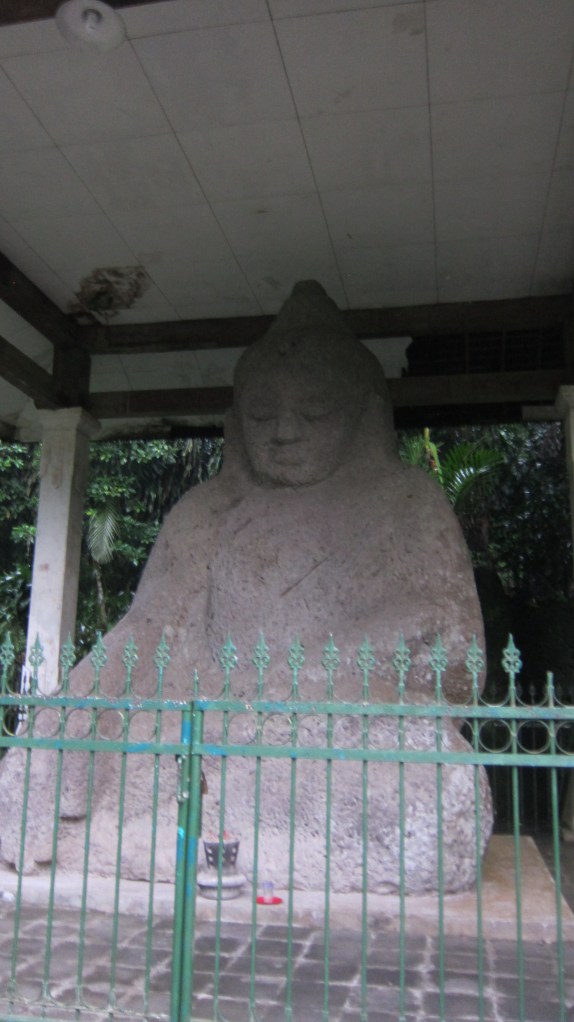
A giant Buddha statue carved in one stone. Dated back to the Majapahit era (13th-16th century).
Reco Lanang: A giant Buddha statue carved in one stone. Dated back to the Majapahit era (13th-16th century).

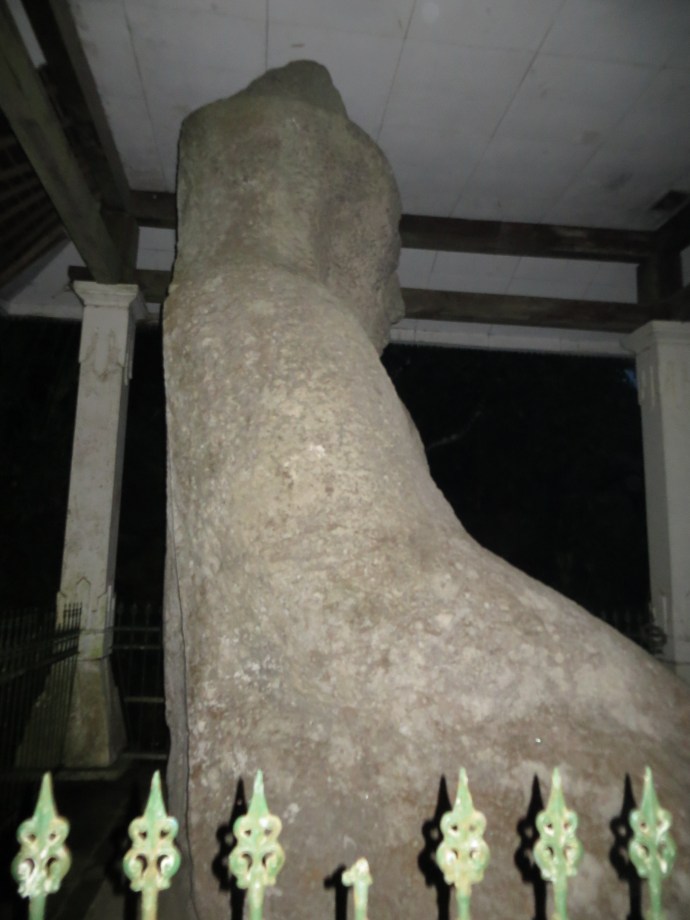
From the side

Thanks for reading! Hoped you enjoyed it.

More articles on the archeological trail and East Java’s history from various sources:

Exploring the Ancestor Site (Part 1)

Exploring the Ancestor Site (Part 2)

Memory of Majapahit Kingdom 

A special thanks to Pak Kus and Mas Ronald at UTC

Photos by The Traveling Chili Pepper and friends

Touring the Motherland Series: Surabaya

Like most big cities, Surabaya feels packed, busy, and sounds a bit loud. My visit last December changed my point of view about my hometown though. After experiencing the congested Jogjakarta on one of the busiest national holiday weekends—chock full of tourists, jam-packed, and overcrowded… you get the idea—my guy and I were incredibly thankful for and to be back in Surabaya. We let go a sigh of relief when the plane landed at Juanda. Surabaya had never felt so much bigger, roomier, better organized, cleaner, and greener. Isn’t travelling great? I gain a lot from it, including: perspective.

What else can I tell you about my hometown? Ah, yes, Surabaya is a city with good eats. This is the place to be for delicious East Javanese cuisine like sate klopo, sate Madura, soto ayam, and soto Madura. And of course, my must-haves: the thick, spicy, and fragrant petis-based (shrimp paste) dishes: rujak, lontong balap, tahu campur, kupang lontong, sate kerang, and oh so many other. Adjectives I’d use to describe East Javanese cuisine would be the same words I’d use to depict its people: bold and gutsy! The flavors “kick” the taste bud, as a friend puts it.

Founded in 1293, Surabaya, is an old and historic city with a youthful look and modern feel. In a certain section, the city displays its colonial-style houses left by the Dutch. The Arab quarter and Chinatown remain vibrant, reminding everyone of the attractive qualities of this port and trade city to foreign traders since way back when. Other parts of Surabaya are decorated with luxurious shopping malls with brands such as Jimmy Choo as one of its tenants. Competing shopping malls attract Surabayans the same way Chicago’s Lakefront Trail/park draws enthusiastic joggers, bicyclists, and sunbathers in summer months. Local coffee shops multiply rapidly all over you’d think that the whole city must be highly addicted to coffee. City pulse is strong and growth is apparent. Surabaya might be 720 years old but it looks like she’s far from slowing down. 


Next blog entry: the mystical and cultural charm of East Java

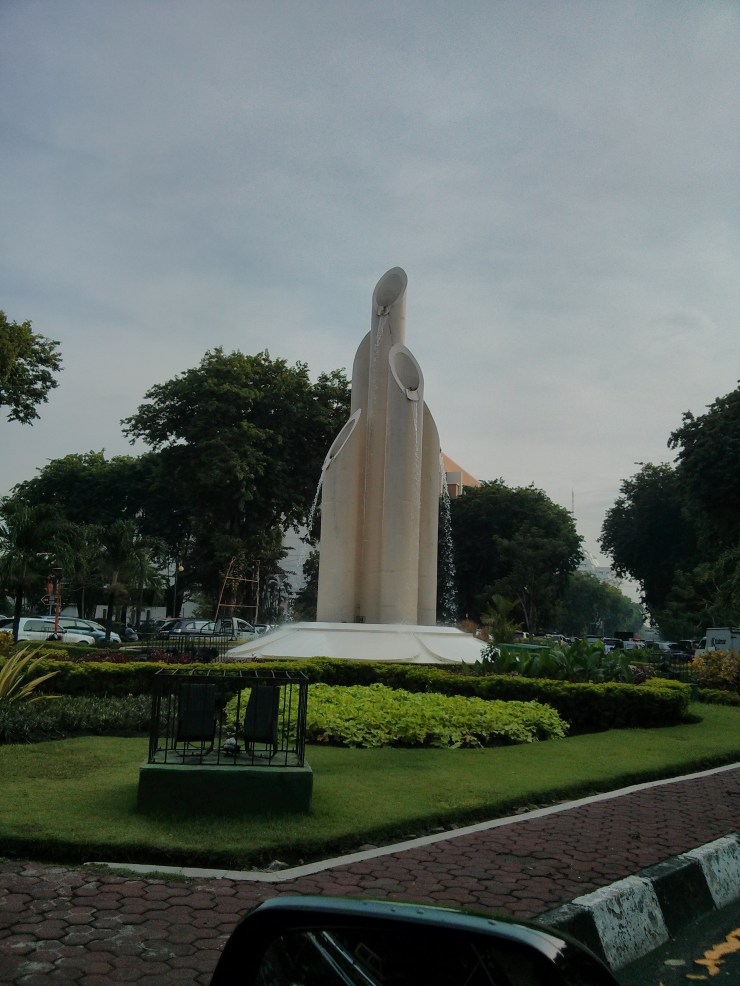
Bambu Runcing
Bambu Runcing Monument: was built in memory of the people of Surabaya who fought against the Dutch and British imperialism.

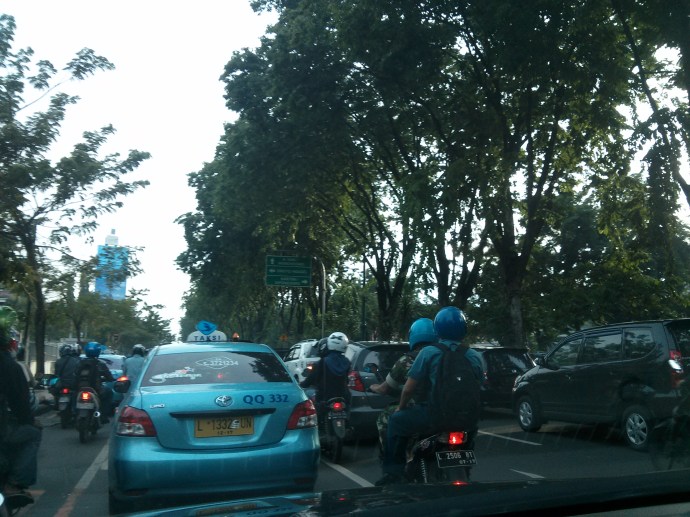
Always crowded
The consistent traffic jam

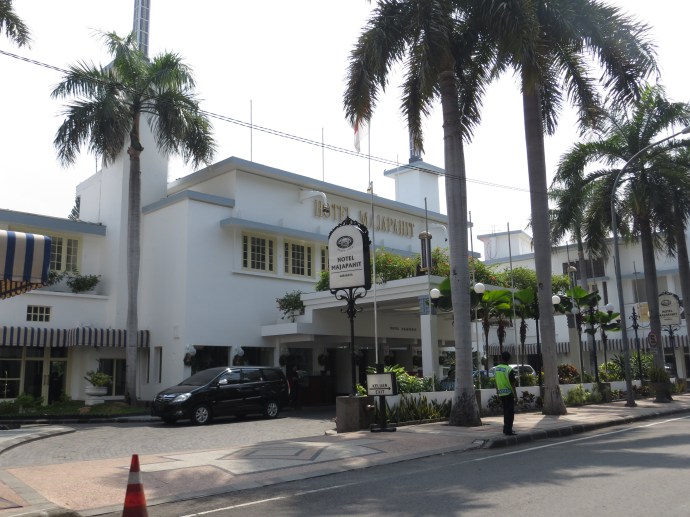
Hotel Majapahit
Hotel Majapahit (since 1911)

Related readings from various sources: 

Eating Out in Indonesia

Travel to Surabaya

Official Site of the City Government

Sparkling Surabaya

Memory of Majapahit

Surabaya’s Chinatown

Ampel: The Holy Heart of Surabaya

Photos properties of The Traveling Chili Pepper

Eating Out in Indonesia

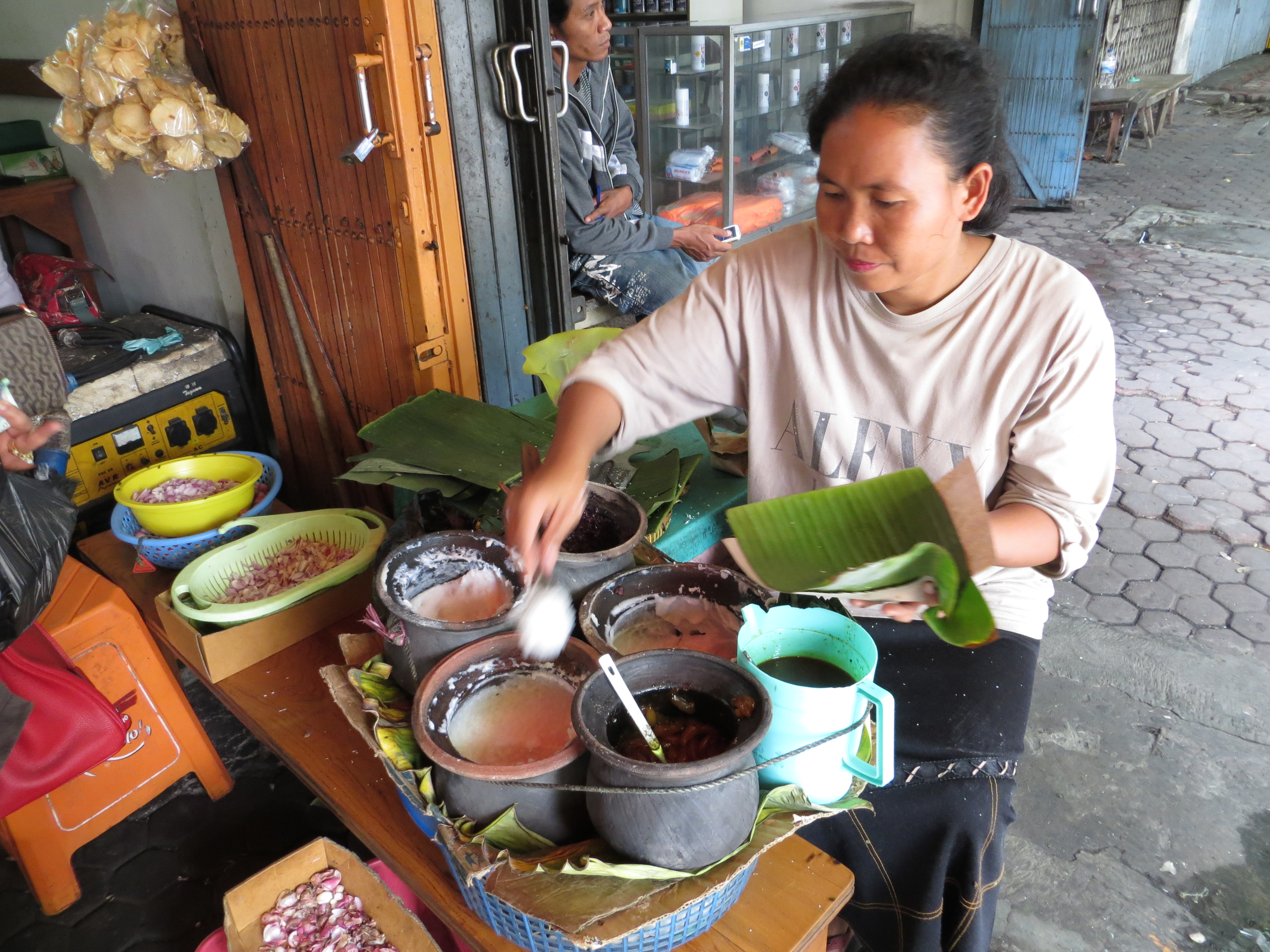
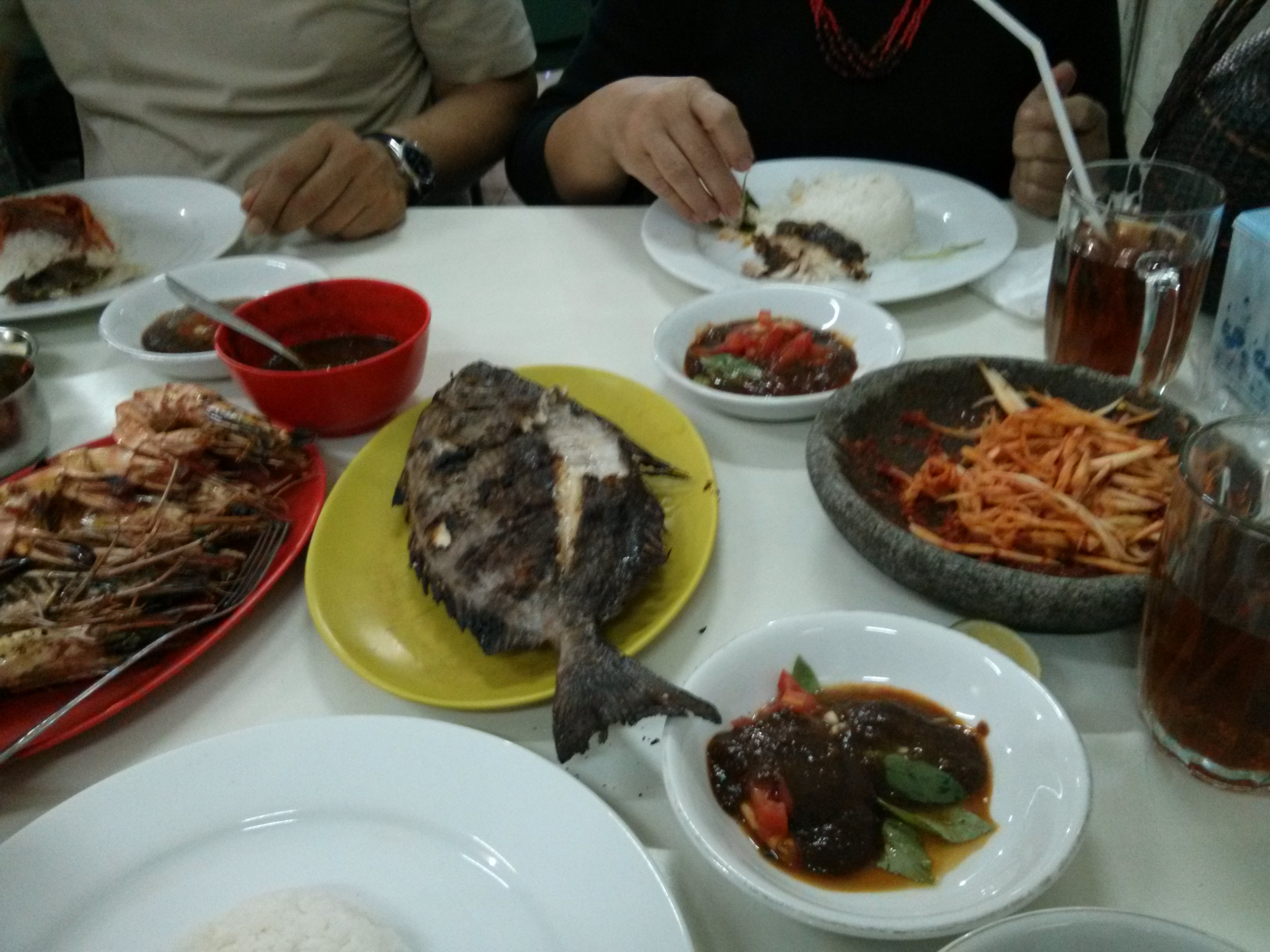
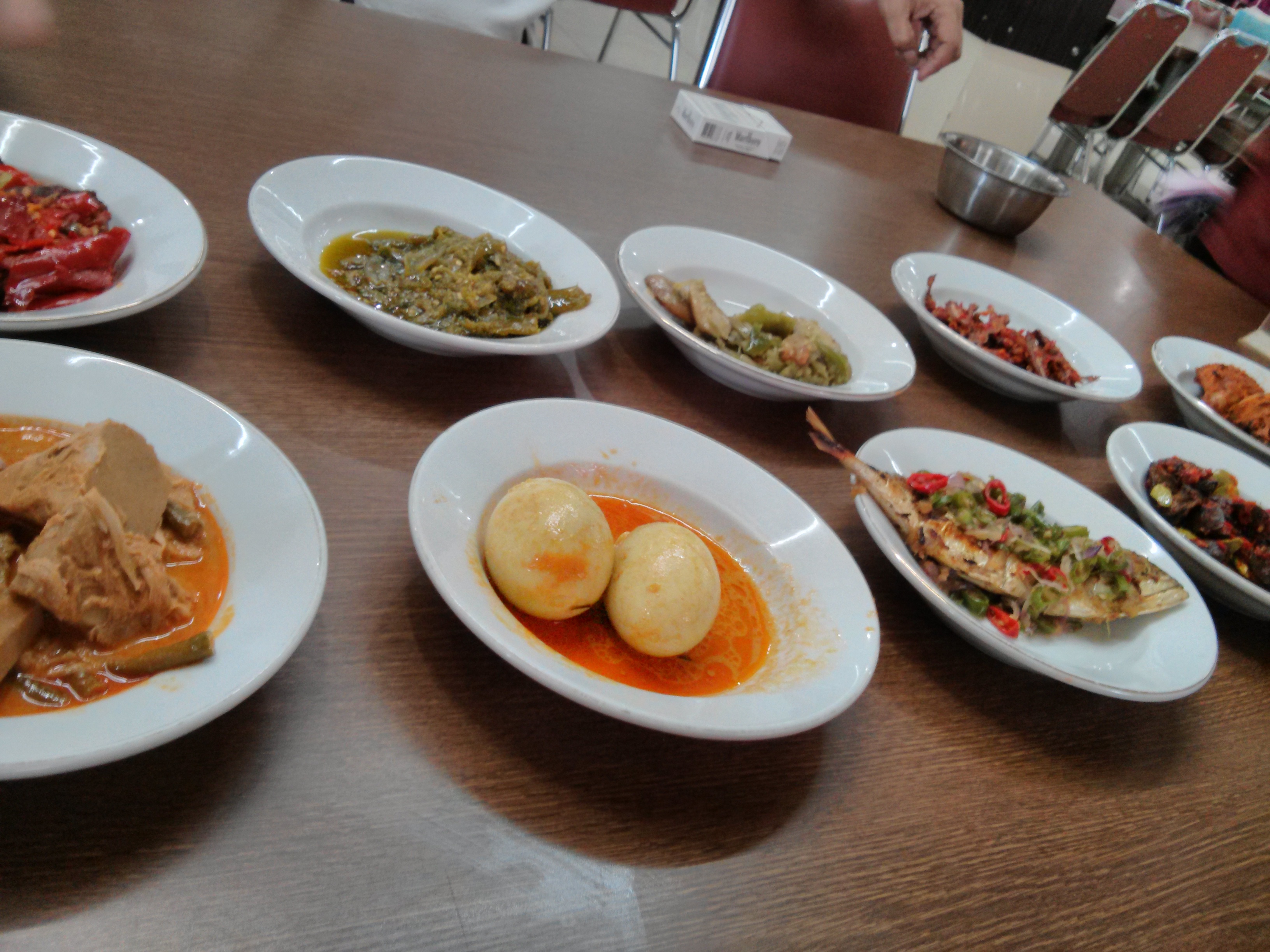
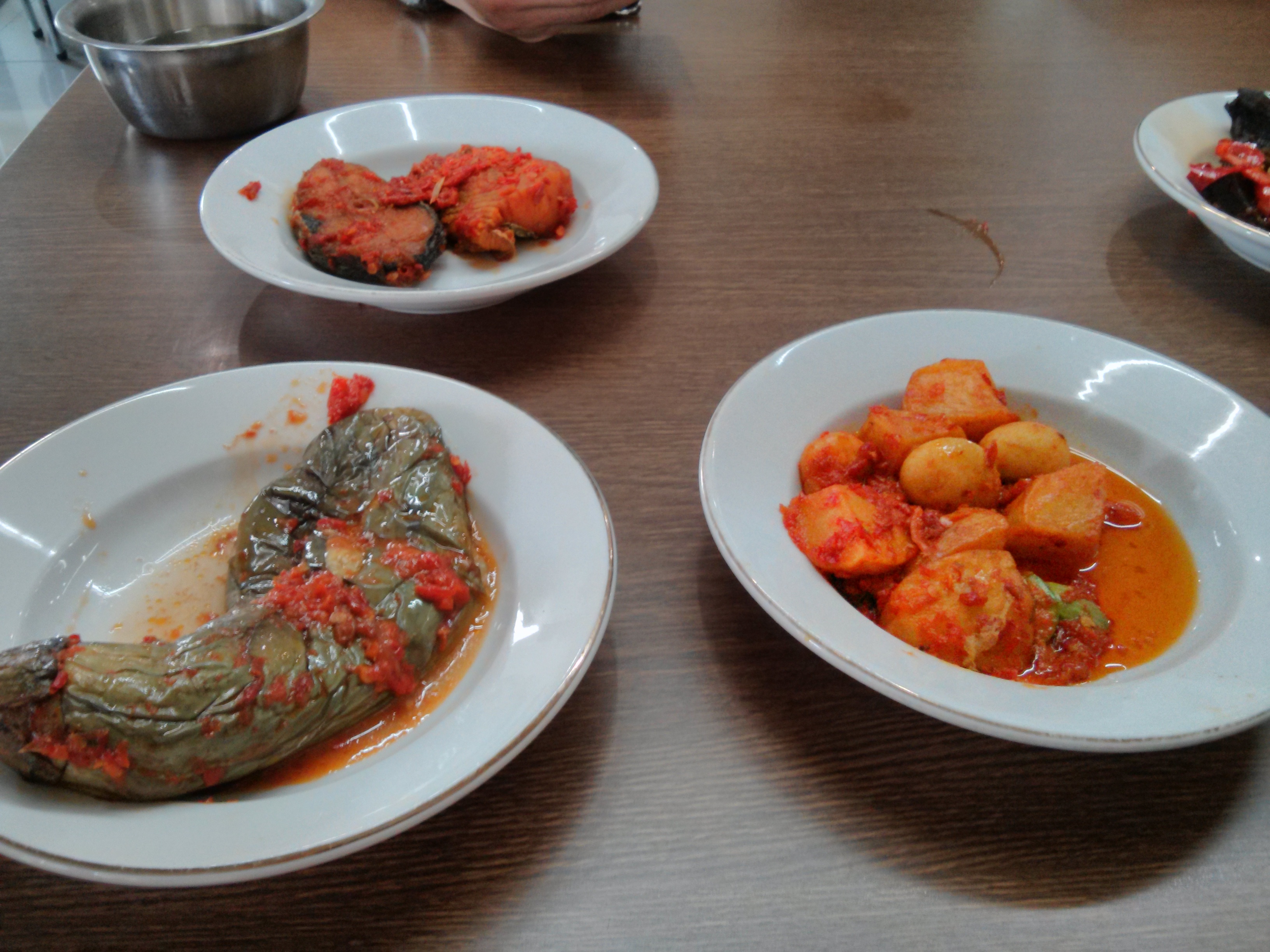
I had just returned from paradise. A tropical and food paradise. Hence the long pause in my food blogging activity. Jeff and I flew back to our homeland, Indonesia, this past December. I took a break from cooking for about three weeks and we ate out almost every single day. In those days we didn’t eat out, our parents and relatives sent food for us! Our families spoiled us with both home-cooked and street food. Ah…the beauty of returning home.

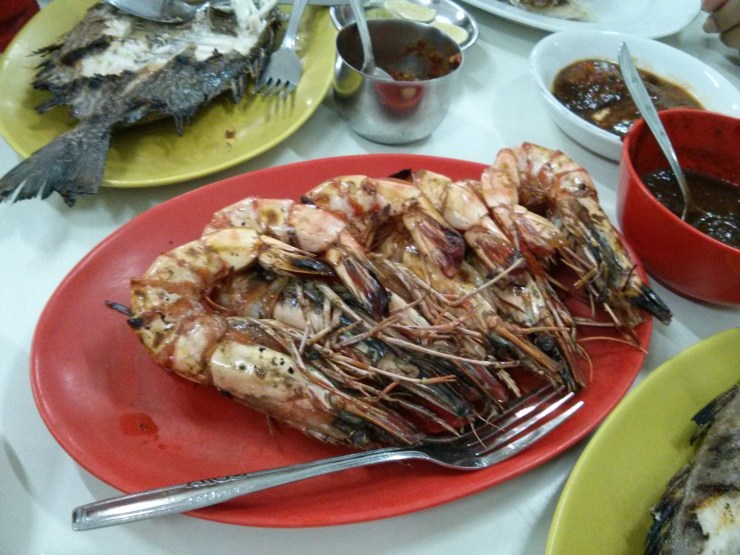
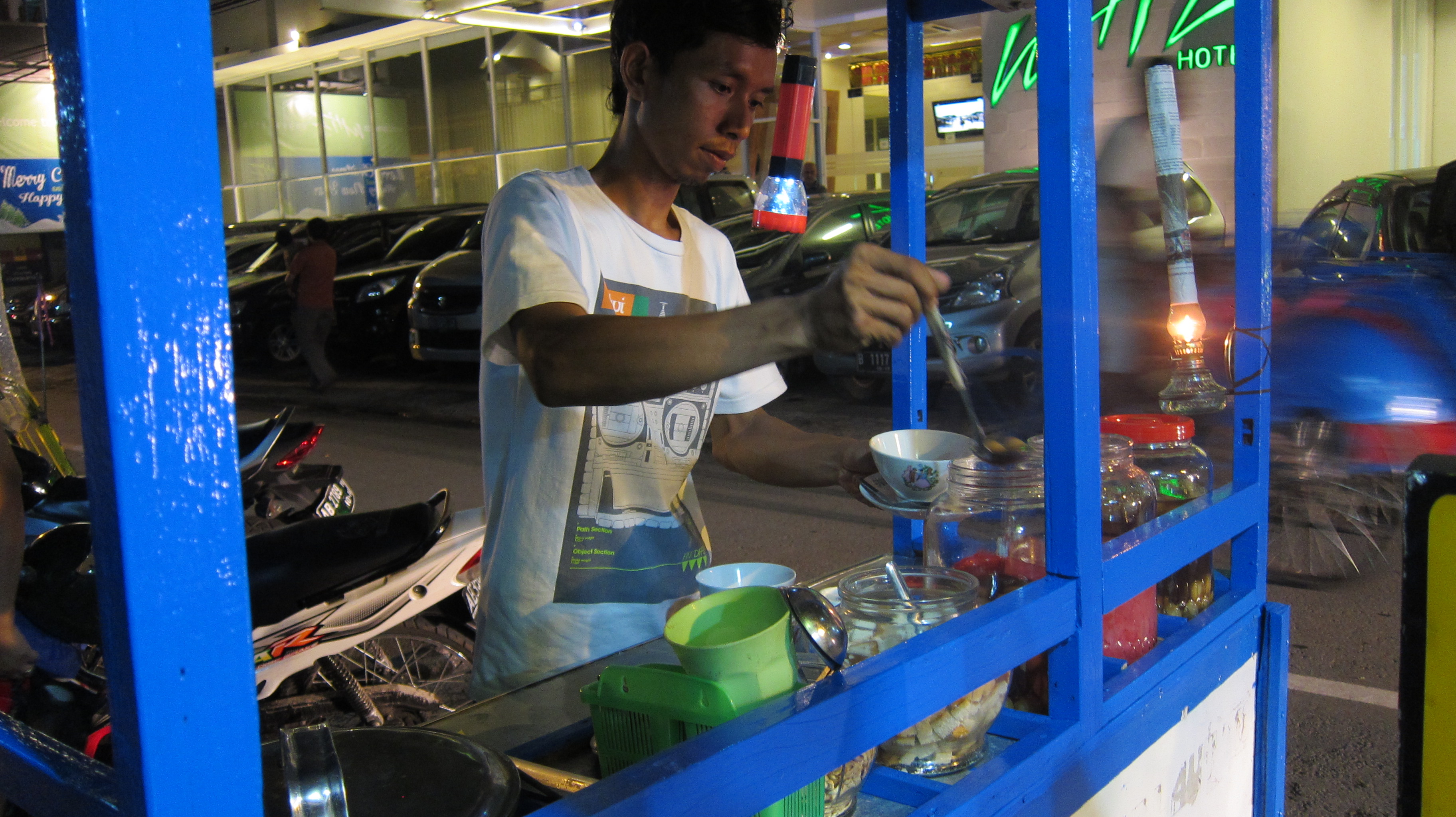
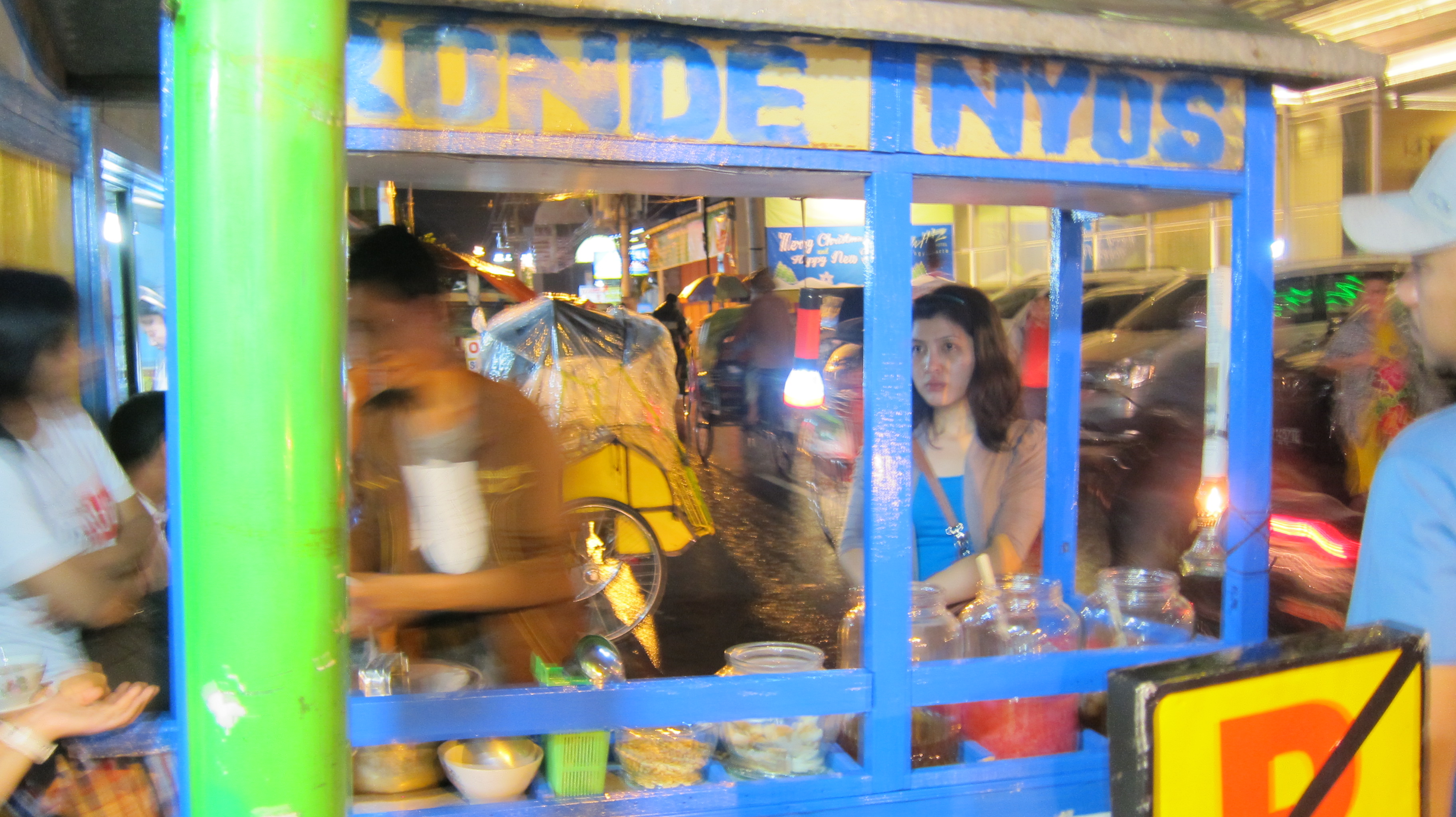
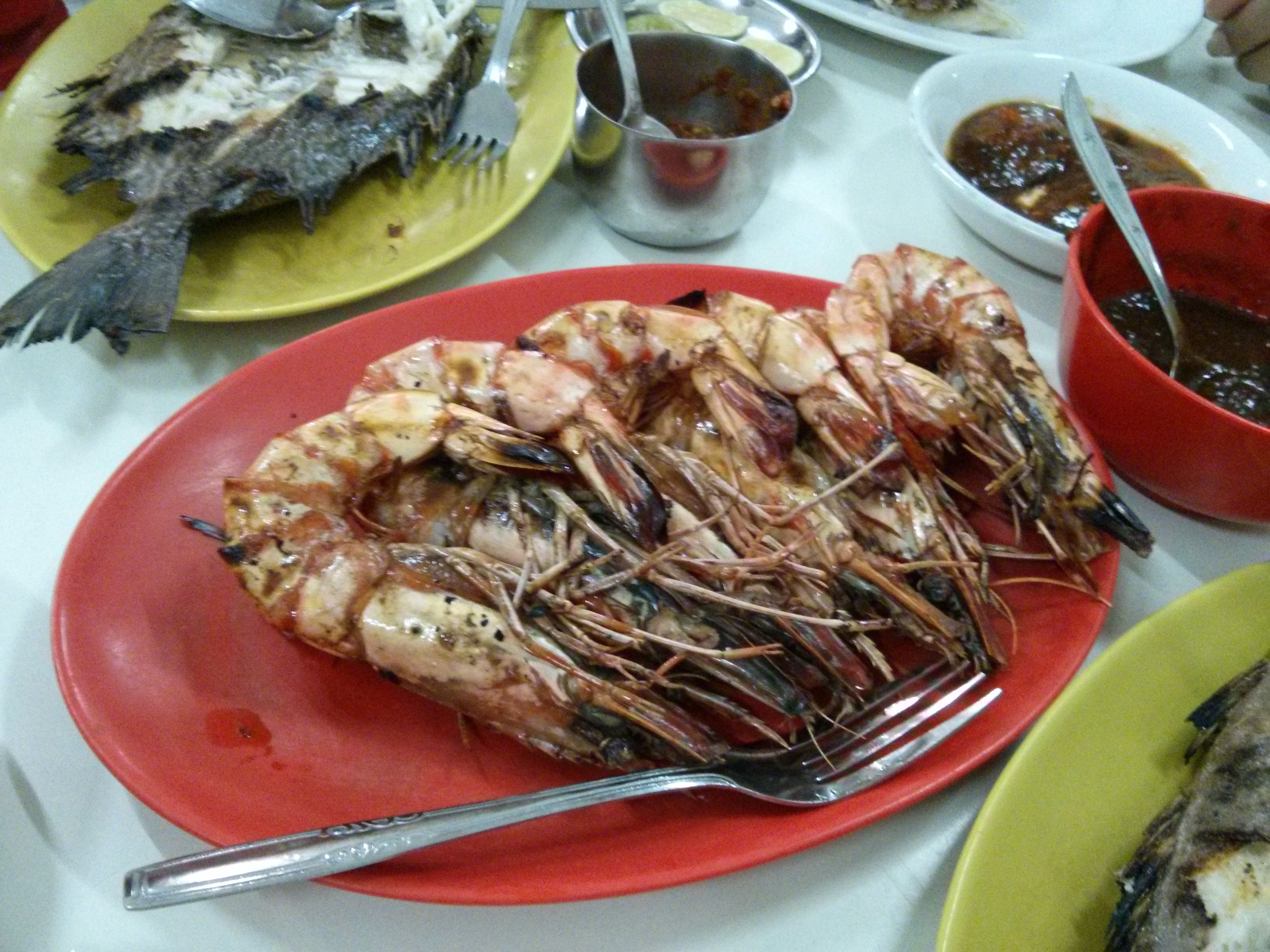
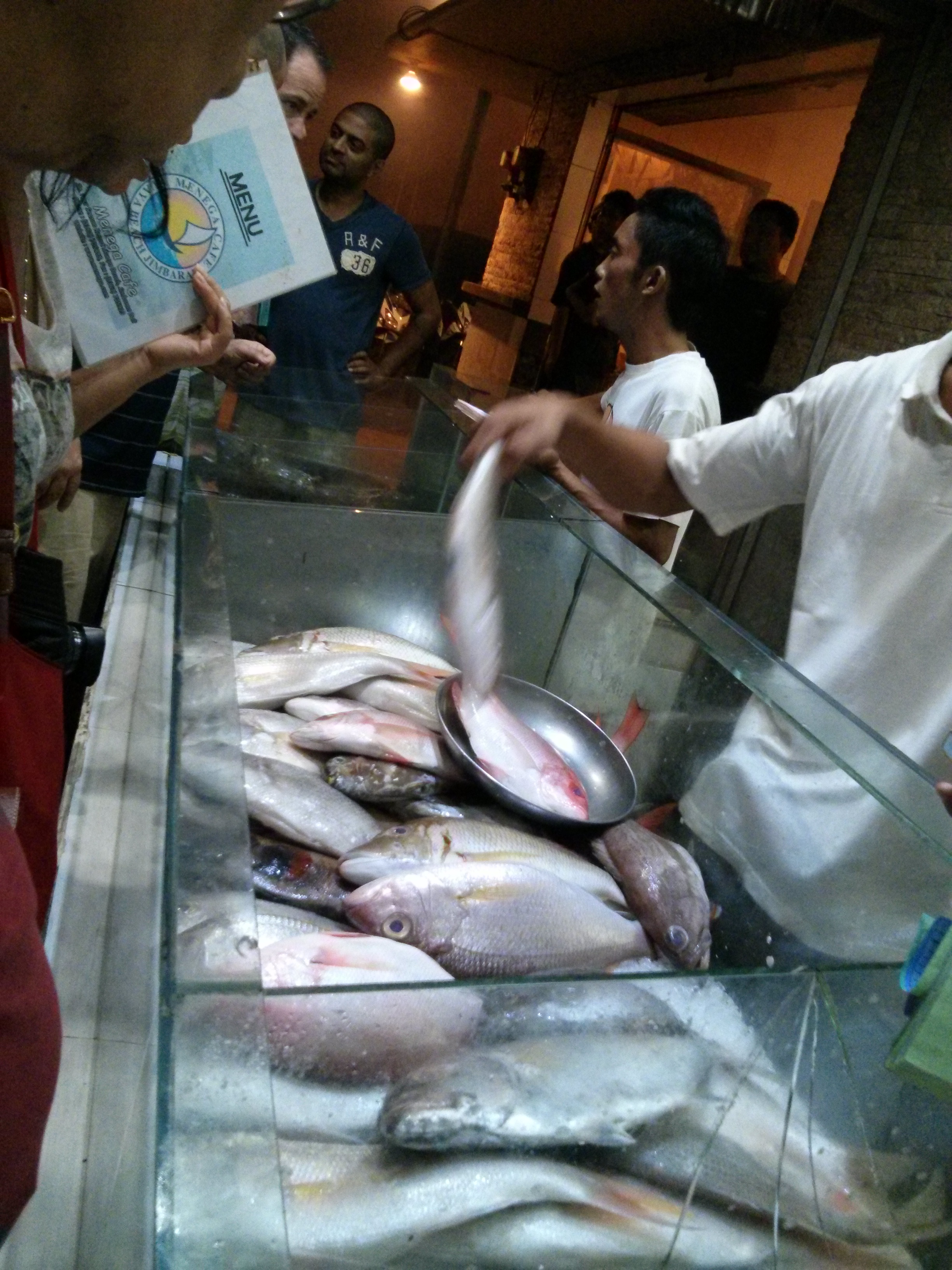
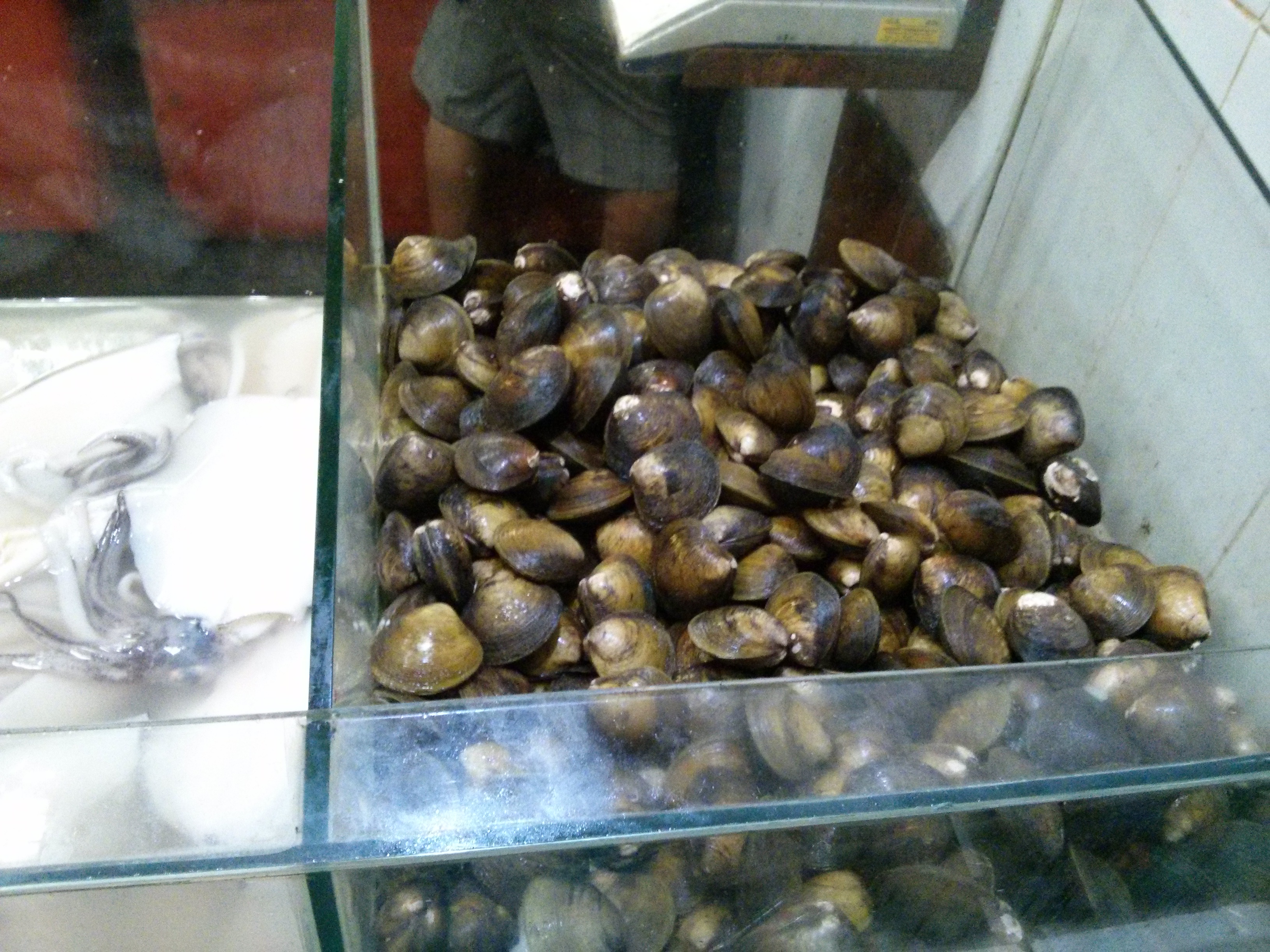
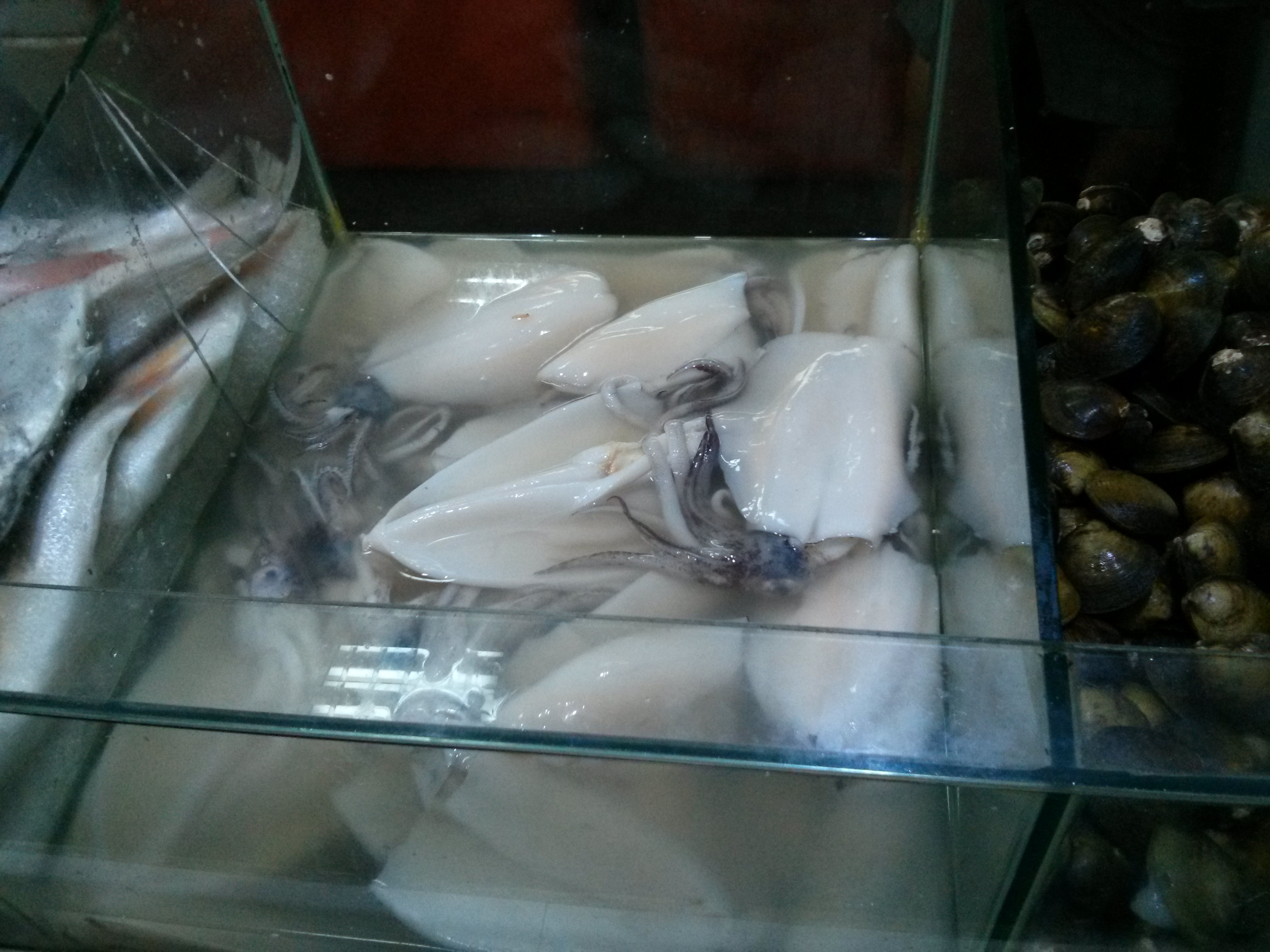
What else can I tell you here about our culinary travel while visiting our families? Ooo yeah, seafood! The plentiful, never ending seafood! Tons of different kinds. The place is heaven for serious seafood enthusiasts such as yours truly.

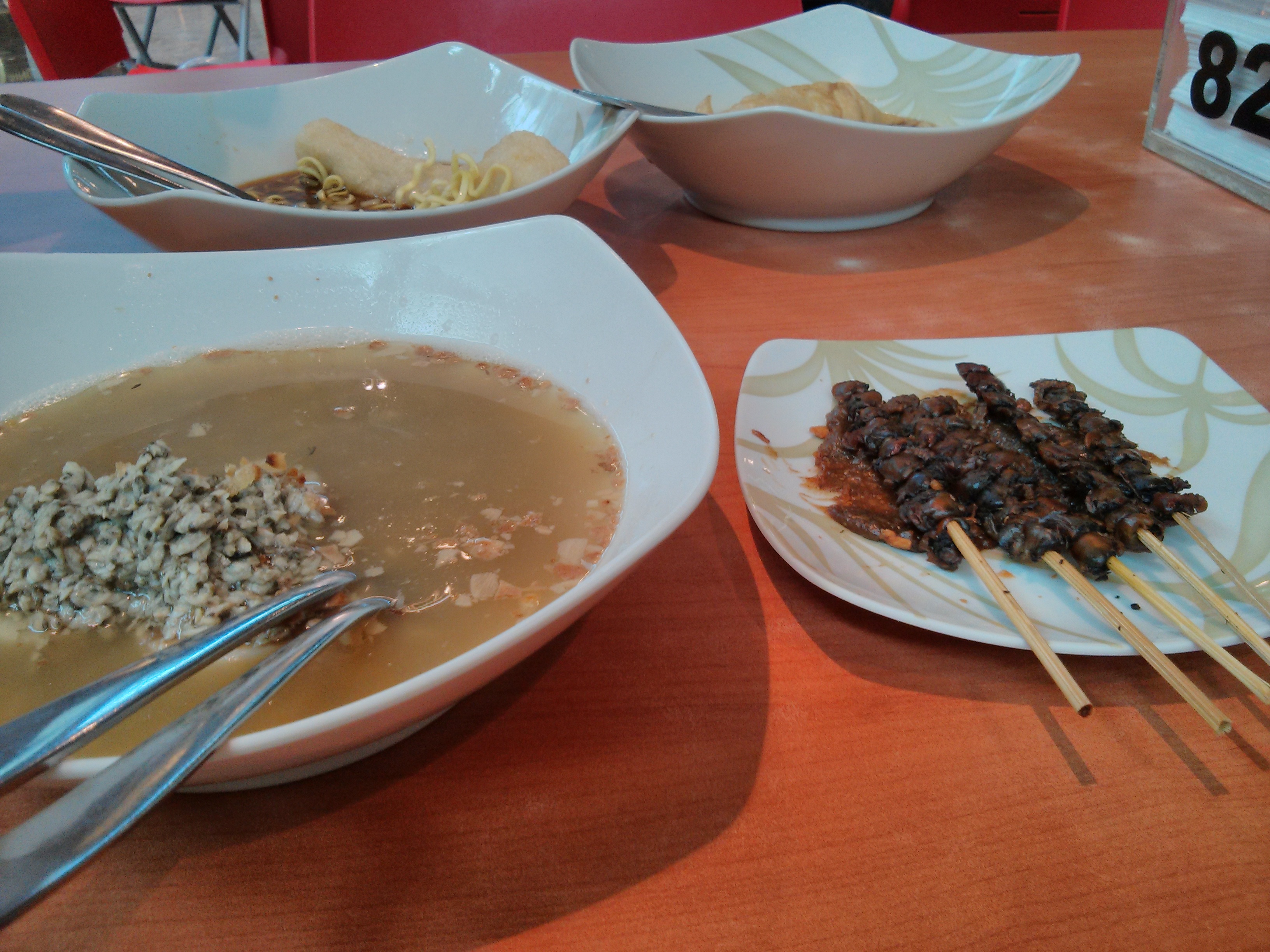
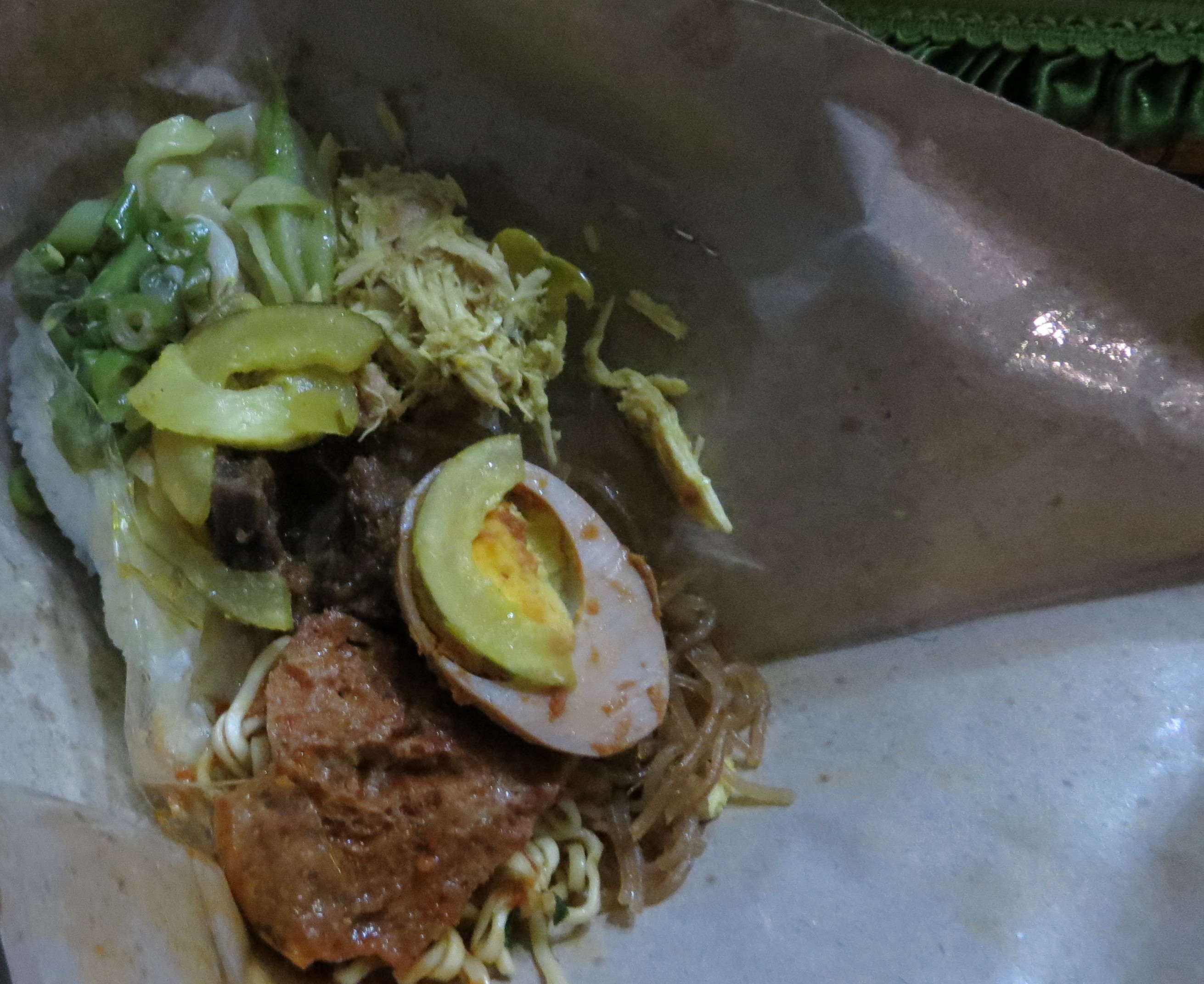
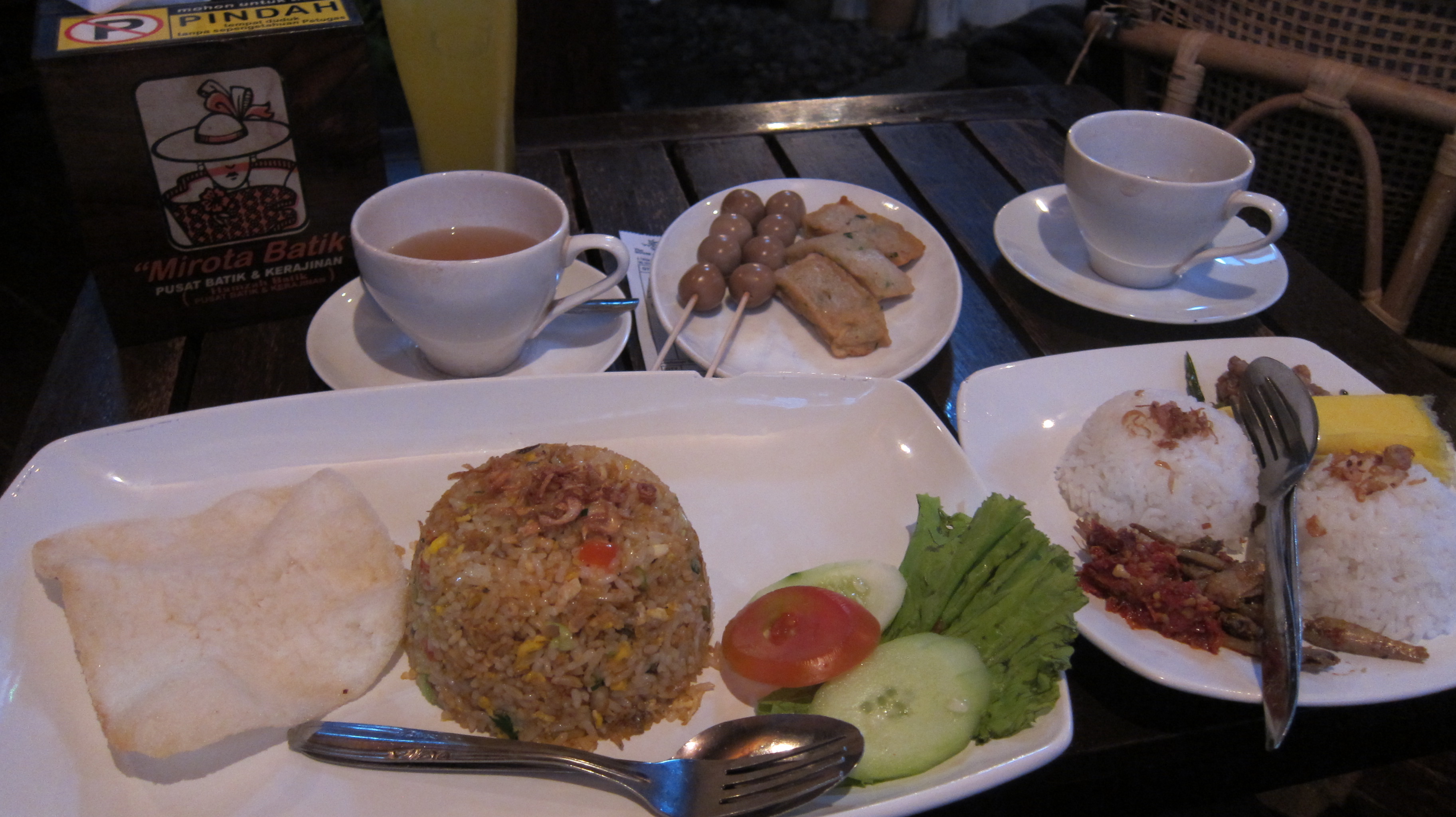
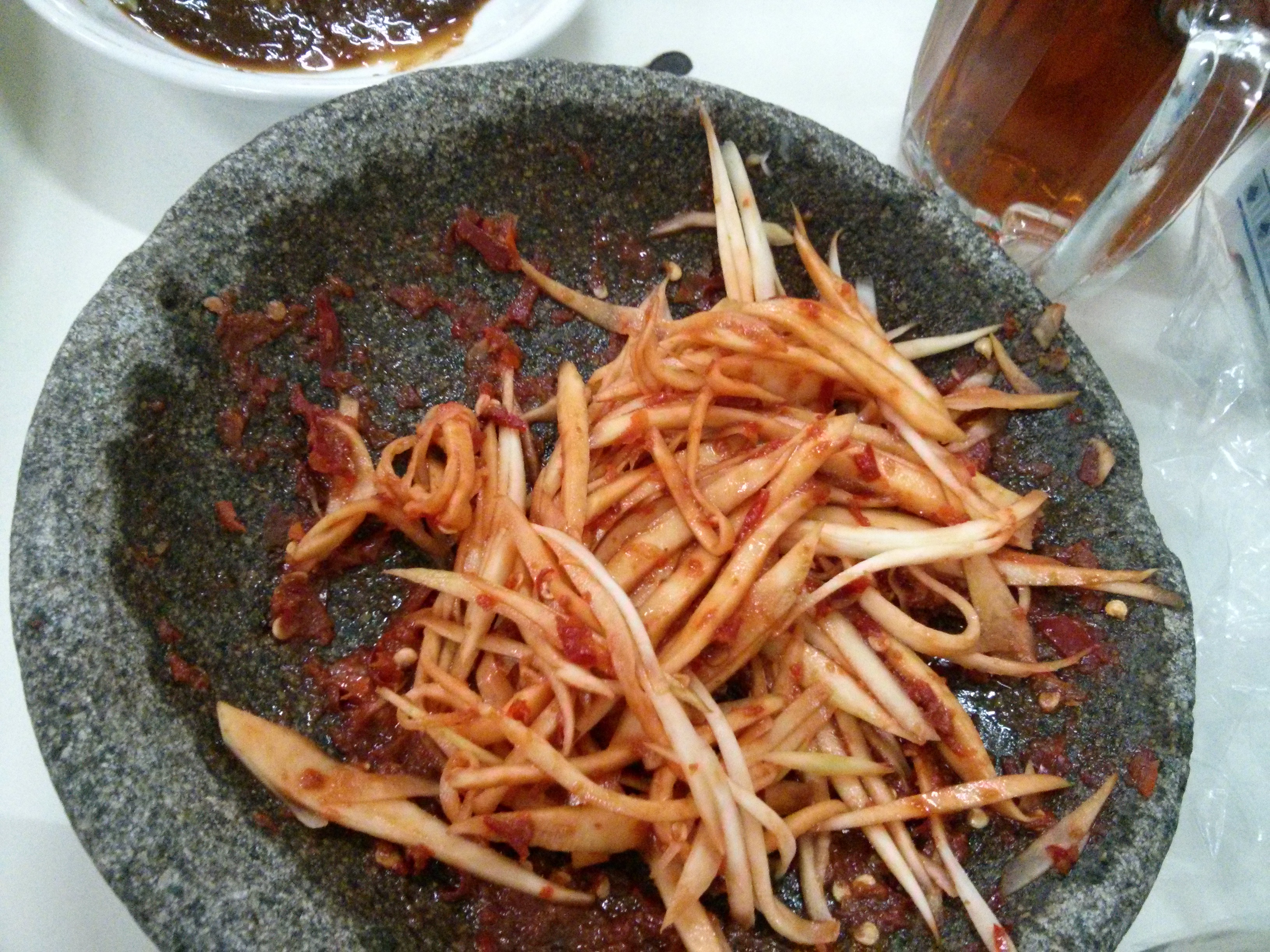
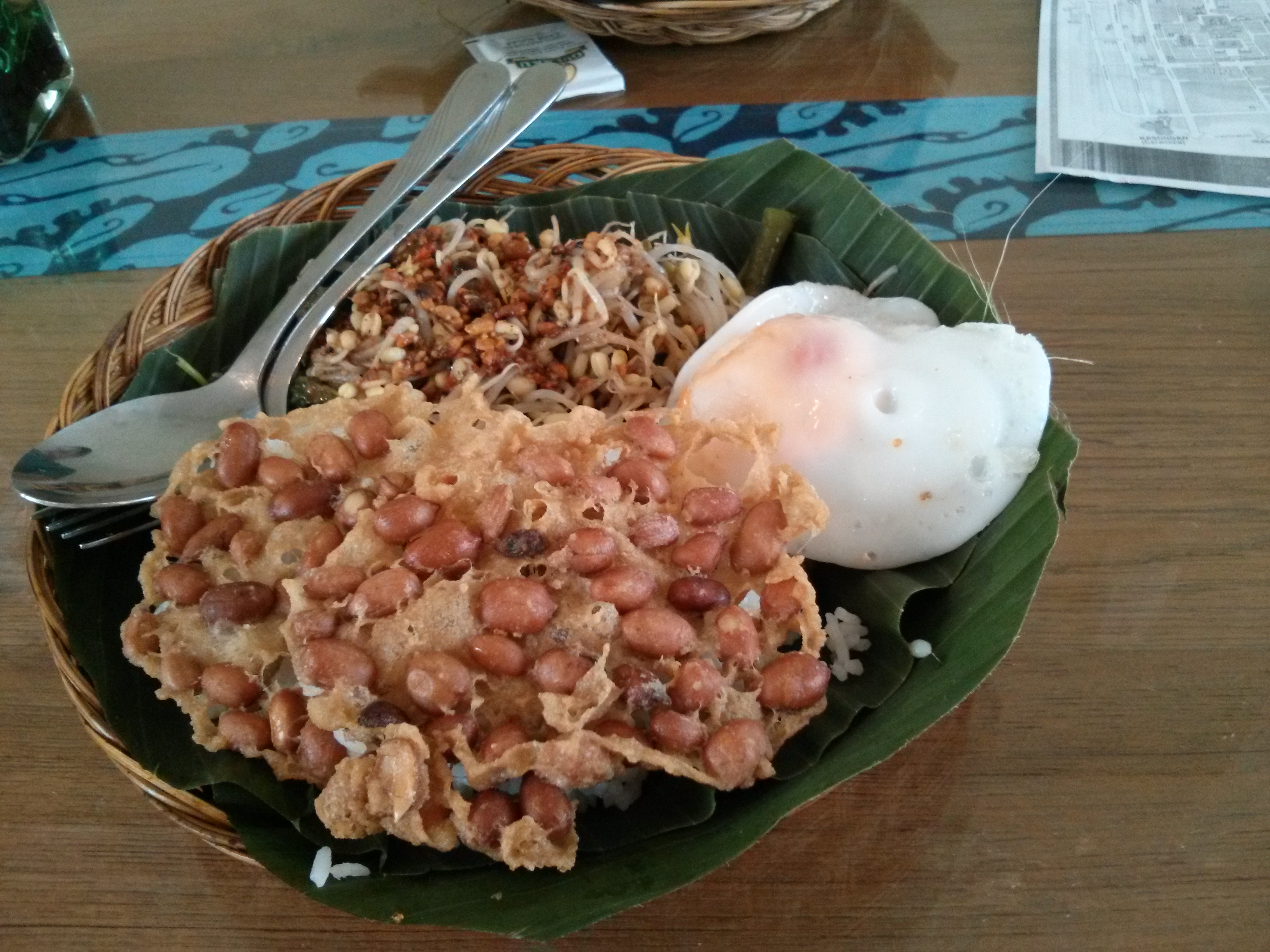
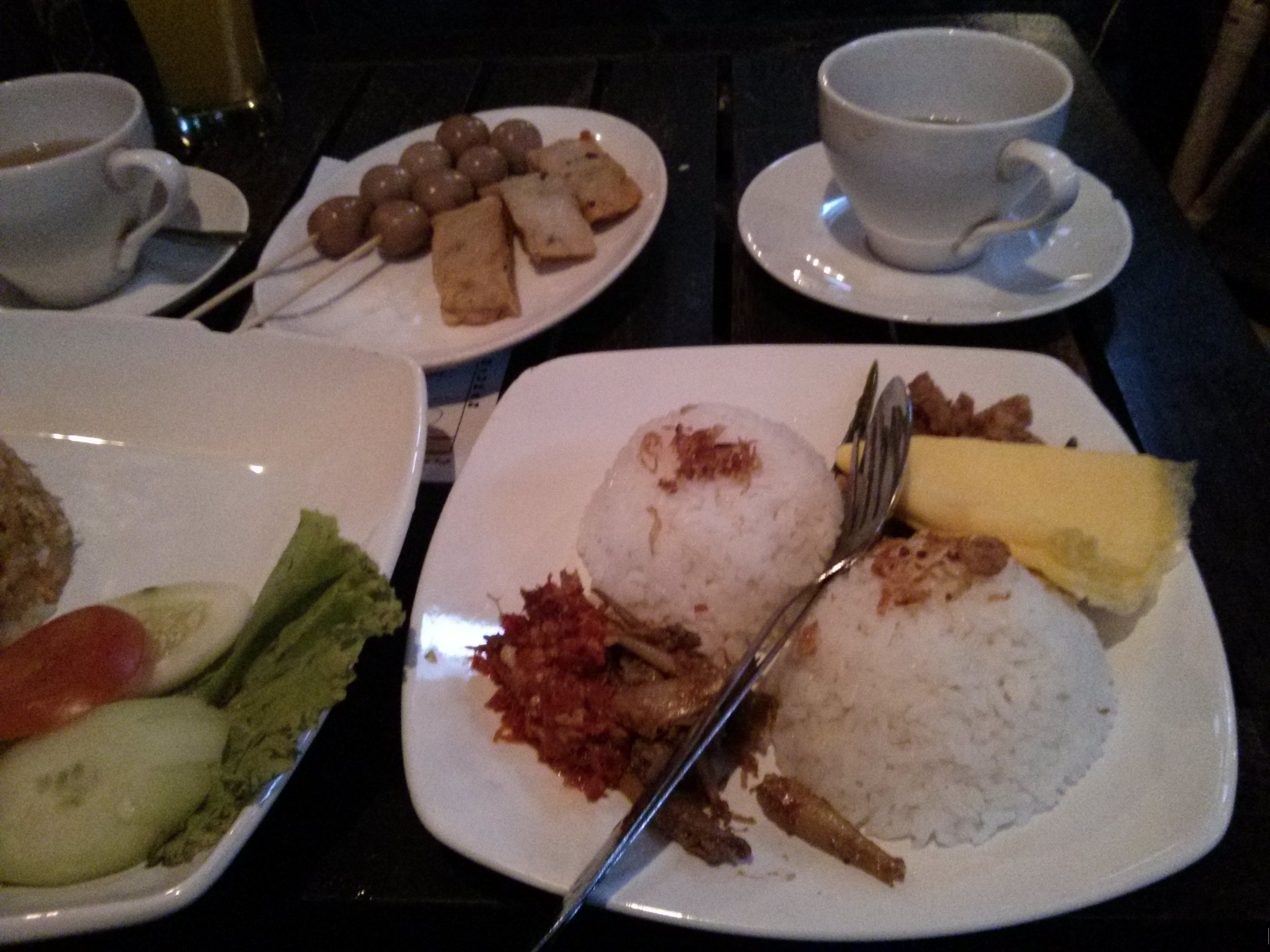
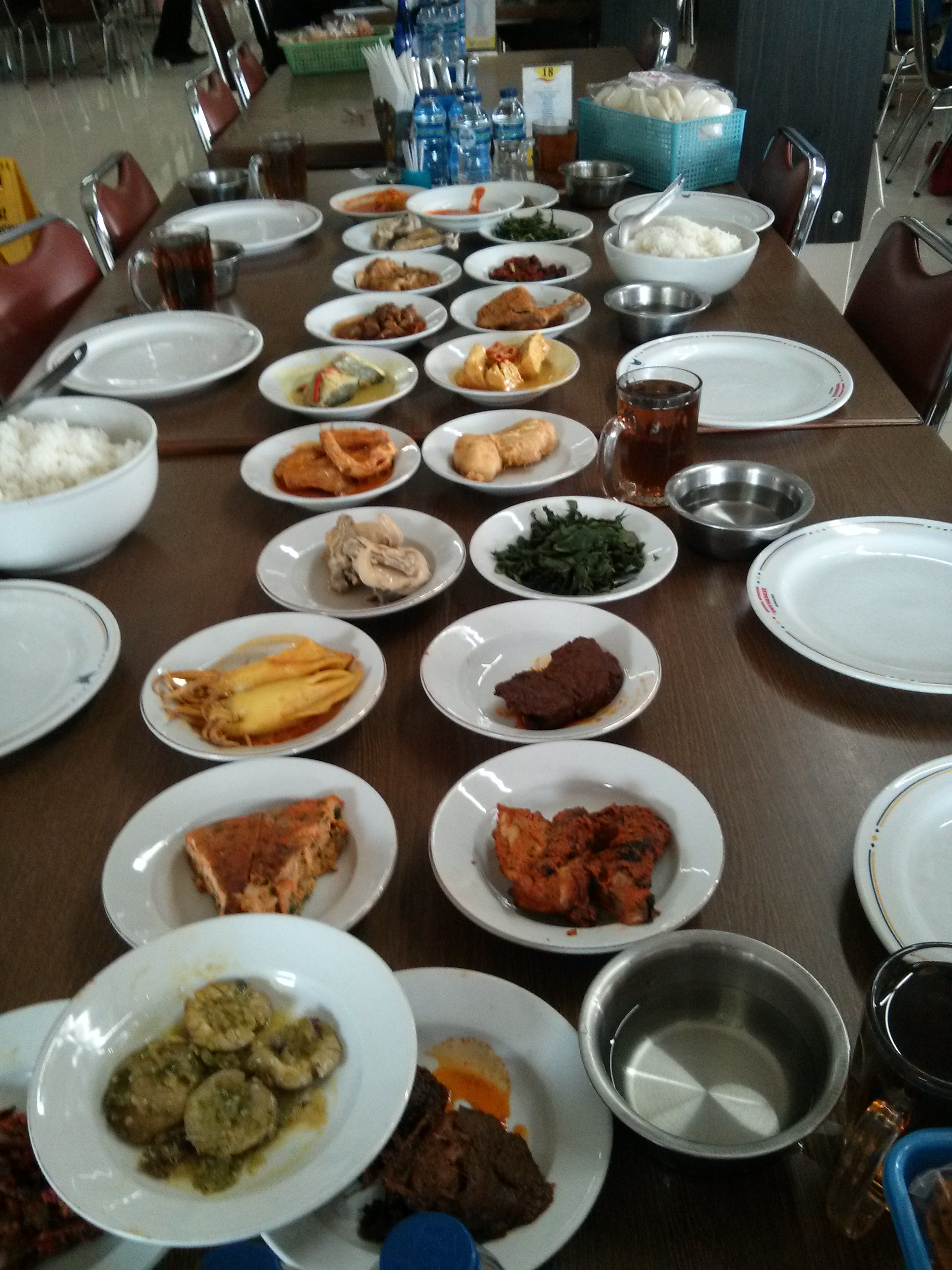
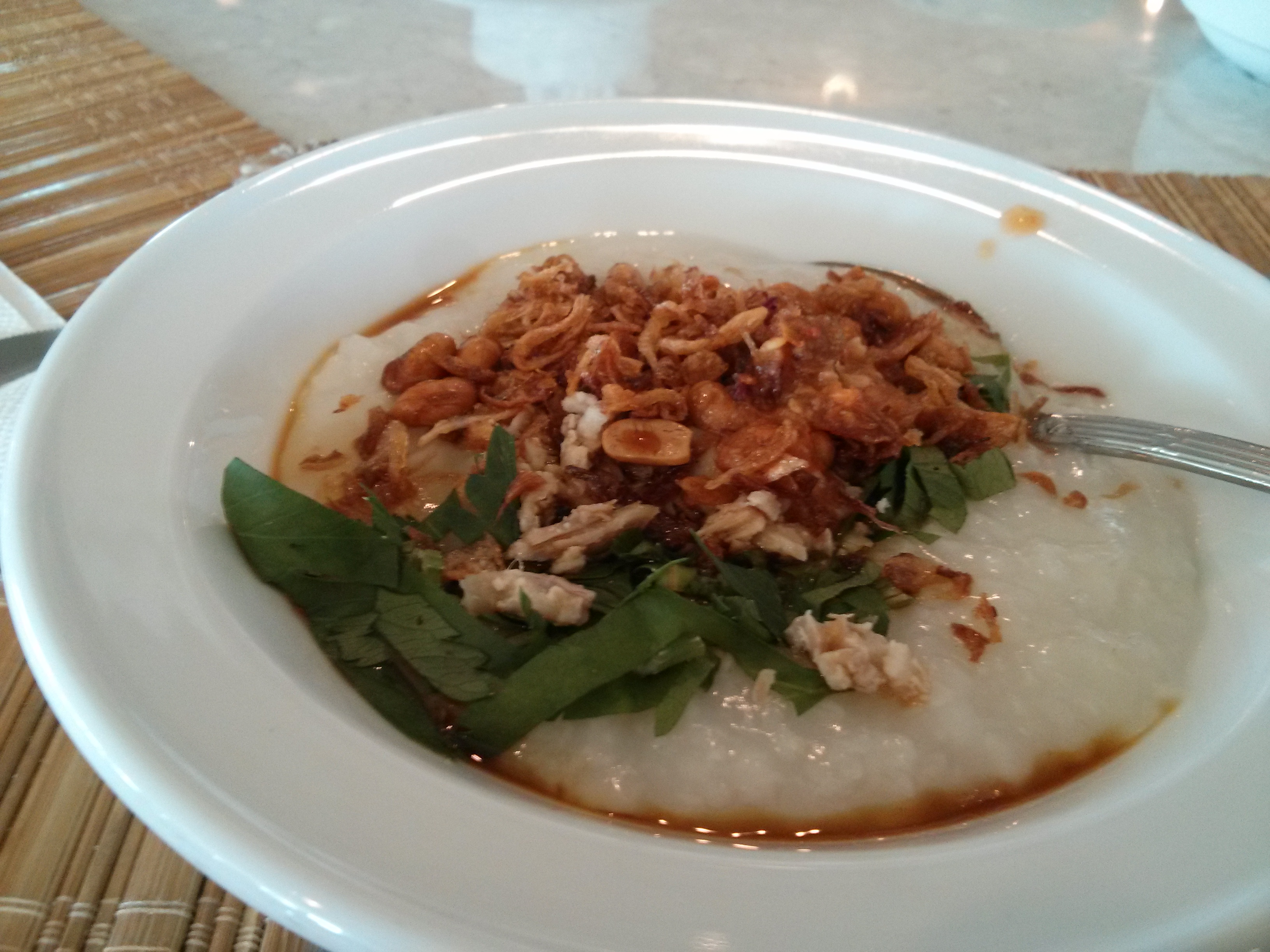
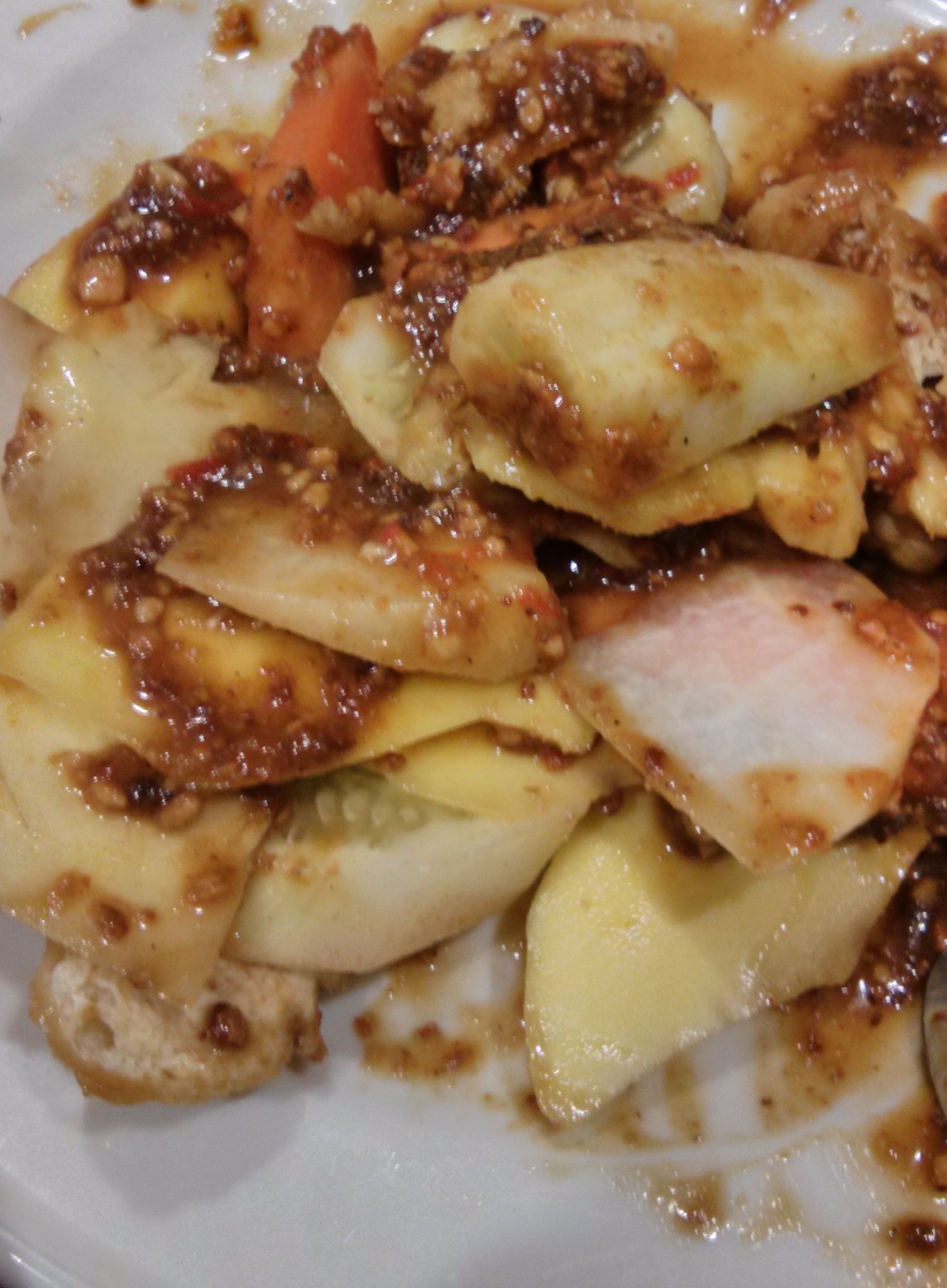
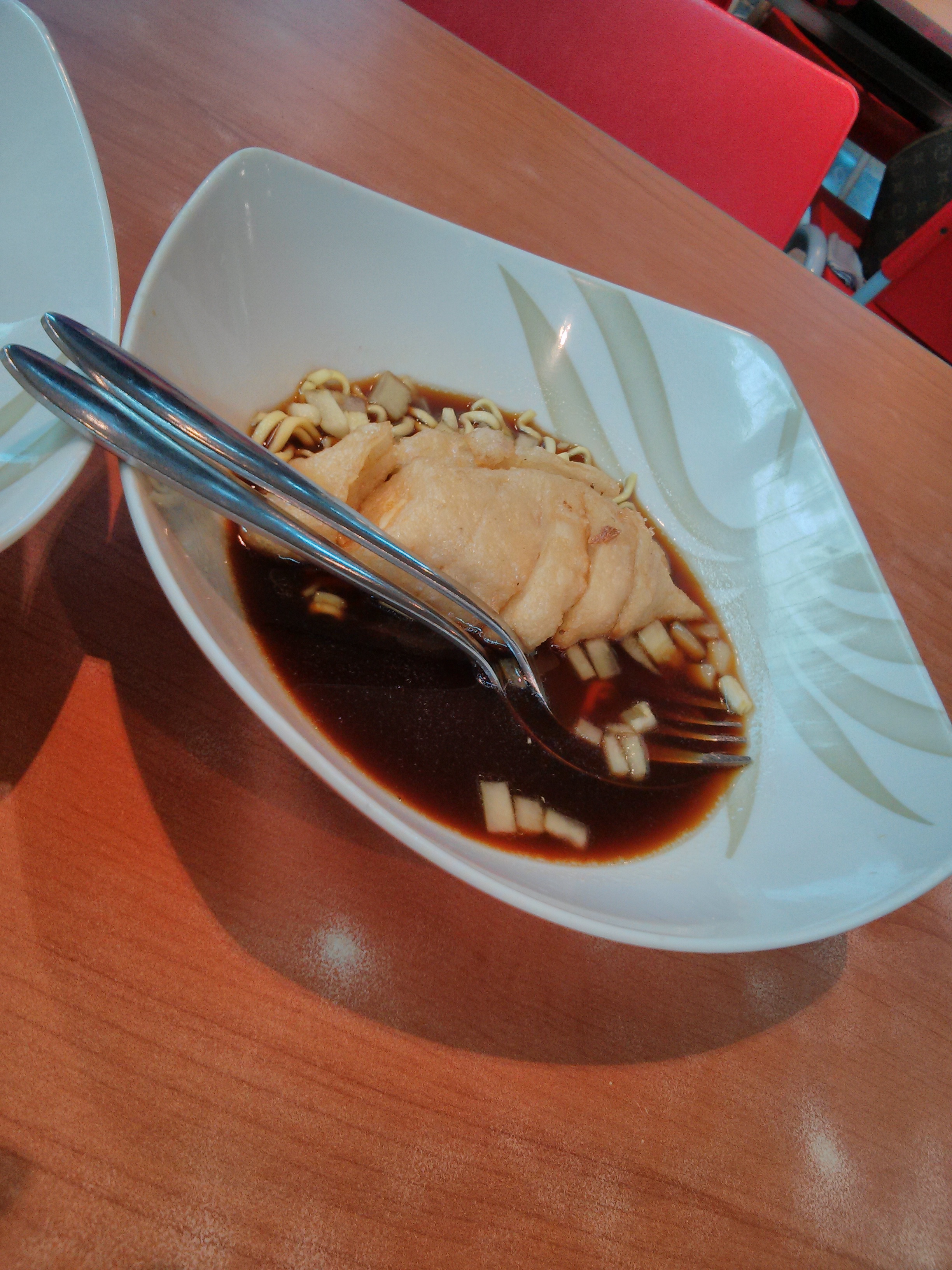
In this first blog entry in 2013, I wanted to display a few original dishes from the motherland. Since most of my cooking is heavily influenced by Indonesian taste, especially East Javanese and West Sumatran, I thought I’d share images of the real deal, our favorites, and some street food. They will also serve as my cooking inspiration later on.

Eaters discretion is advised

Also on Indonesia Travel:

Touring the Motherland Series: Bali Island

Touring the Motherland Series: Yogyakarta, Central Java

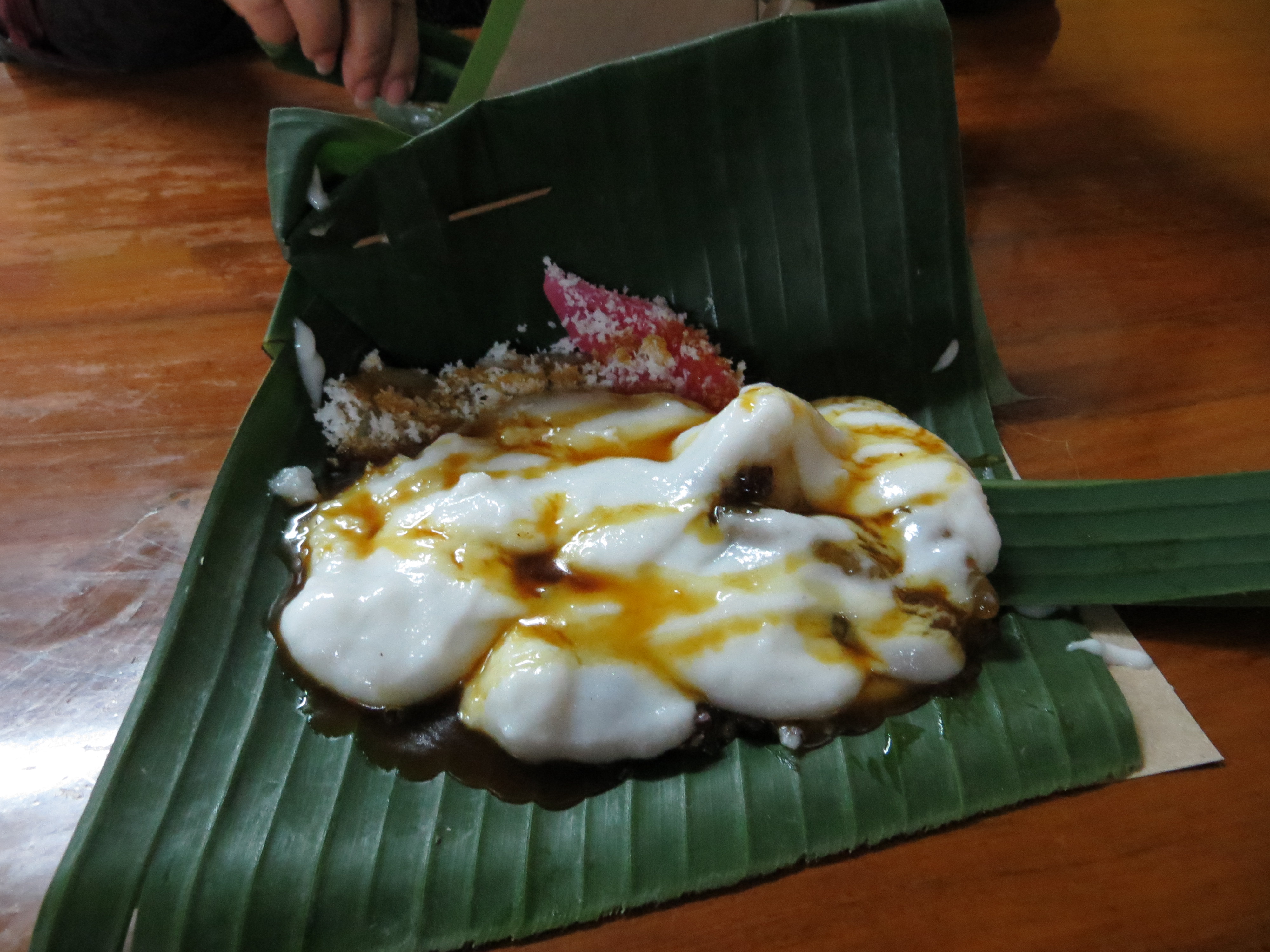
Street food: Bubur Madura
Kupang Lontong and Sate Kerang. Kupang Lontong is East Javanese traditional and favorite food. (Kupang Lontong is small shellfish with rice cake in a broth cooked with shrimp paste.)
Street food: the sweet Bubur Madura (made of rice flour and drizzled with melted palm sugar.)

Touring the Motherland Series: Yogyakarta, Central Java

Last Post: Bali Island

Almost every Indonesian I know loves visiting Jogja (short for Jogjakarta. Also known as Yogyakarta or Yogya.) There’s something romantic about this folksy, laid back town that holds such rich history of Java. As a cultural center of Indonesia’s most populated island, Jogja continues to preserve its tradition and uphold its cultural heritage. Tranquility and hospitality, some characteristics identical to the delightful Javanese way of life demonstrate themselves clearly in this town. They seem to send calm vibration to the town’s active streets and people. The people of Jogja are known for being patient and pleasant—traits that might easily separate them from local tourists or newcomers. A fascinating juxtaposition to observe. It’s comforting to feel the strong pulse of Javanese cultural identity in the midst of Indonesia’s growth and changes.

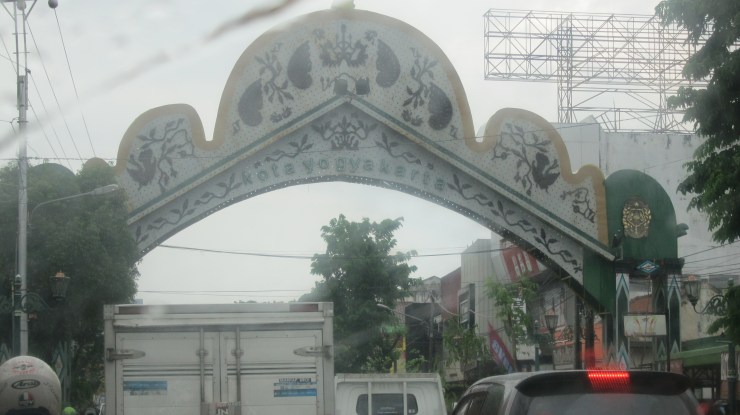
I remembered coming to Jogja with my family a few times when I was little and then in another occasion with my junior high classmates on a school field trip. The last time I visited Jogja was 14 years ago. I came with my childhood best friend in Surabaya. Along with her family, we helped her move to attend college in Jogja. So I wasn’t sure what the town would look like when Jeff and I planned to stop by for a weekend in December. What a relief it was to see the town’s familiar scenes. Other than the traffic jam, not much has changed. It still felt like that old romantic Jogja I had remembered from a long time ago.

One thing to note: It might be more enjoyable to visit Jogja during the off-season when it is less crowded. I was told by family and friends that tourists fill up the town during big national holidays like Christmas/New Year and Eid. We were included in that group of people who overcrowded Jogja during the New Year’s Eve long weekend! 🙂

Andong, a traditional form of transportation
Andong or horse carriage, a traditional form of transportation

Malioboro Street
Performing on the always-crowded Malioboro Street

The crowded sidewalks of Malioboro where I managed to shop tons of batik handicrafts.
The crowded sidewalks of Malioboro where I bought lots of batik handicrafts.

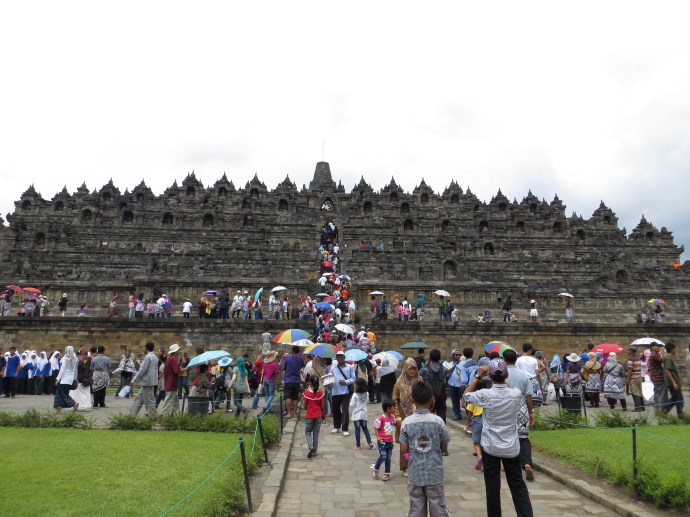
Borobudur Temple

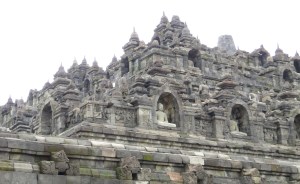
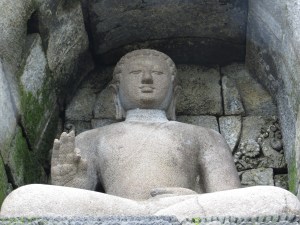
Borobudur Temple, a 9th-century Mahayana Buddhist Temple in Magelang, a little bit outside of Jogja.
Borobudur Temple, a 9th-century Mahayana Buddhist Temple in Magelang, a short distance driving from Jogja.

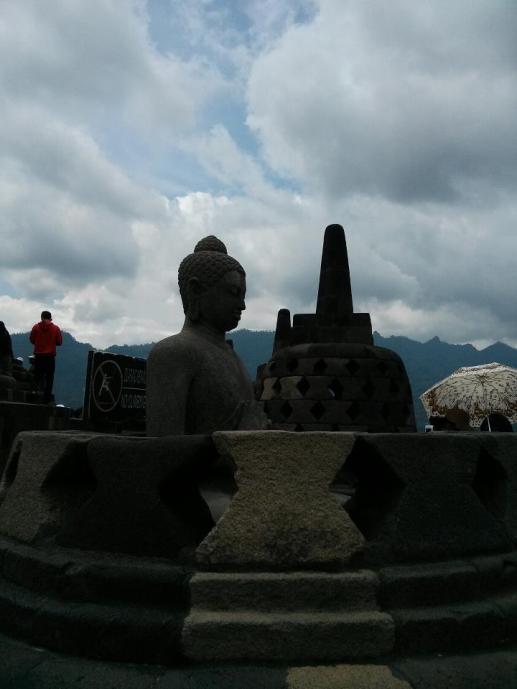
Inside the stupa
Inside the stupa

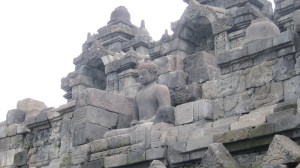
A Buddha statue inside of the stupa

The Buddha's teaching carved in stone.
The Buddha’s teaching carved in stone.

More BuddhaBuddha1

StupaThe Buddha

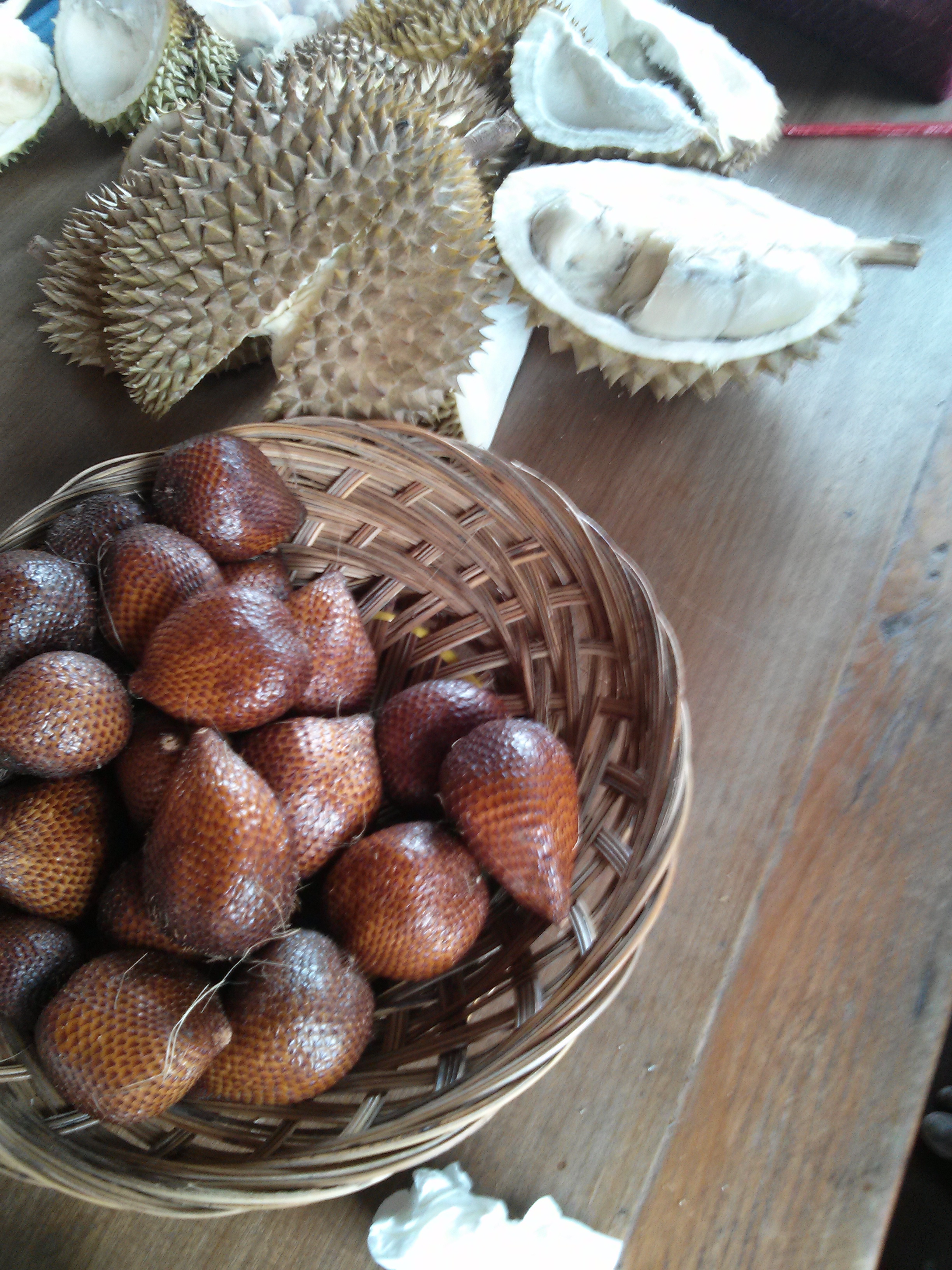
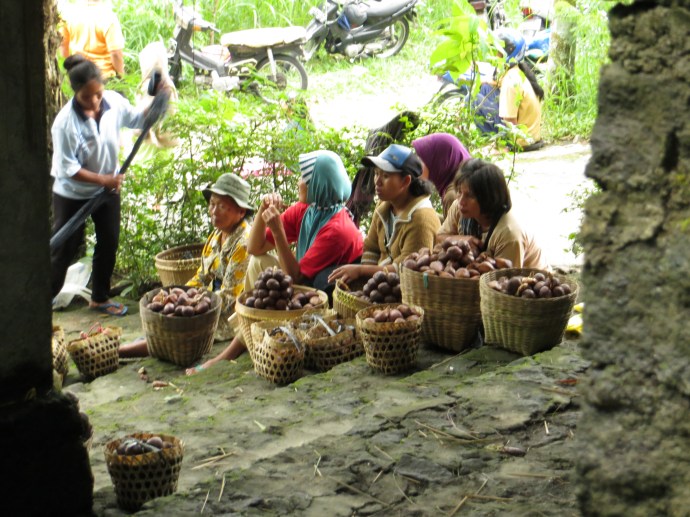
Selling salak fruit
Selling salak fruit

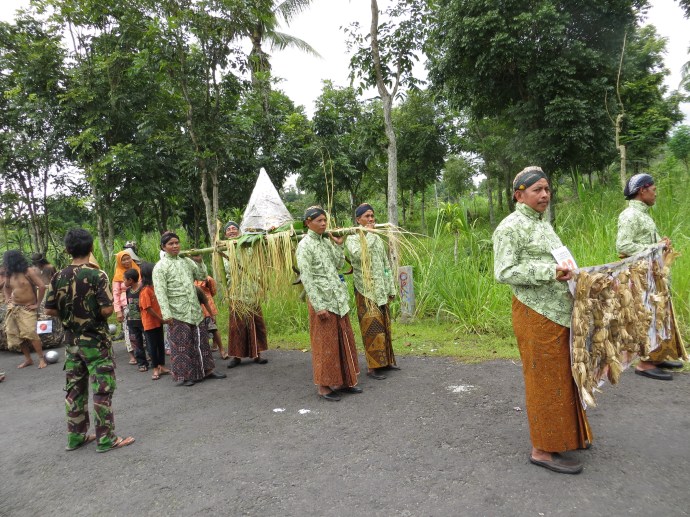
Traditional ceremony celebrating harvest time
Traditional ceremony celebrating harvest time, Kaliurang, outside of Jogja

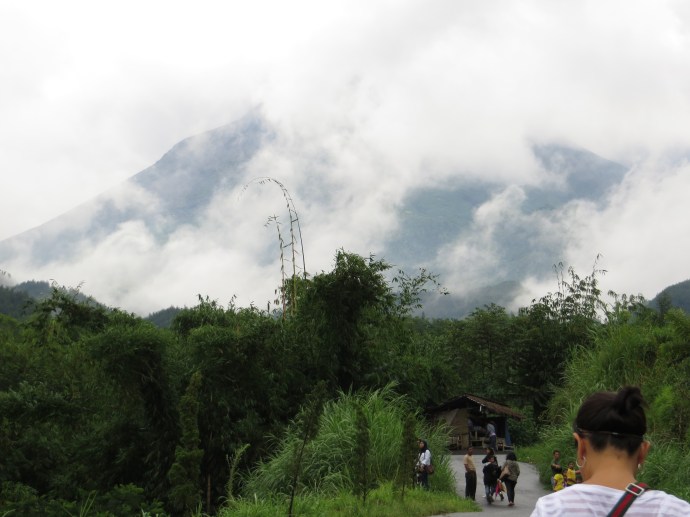
The volcanic Mount Merapi covered by clouds. Jogja is located close to the volcanic Mount Merapi.

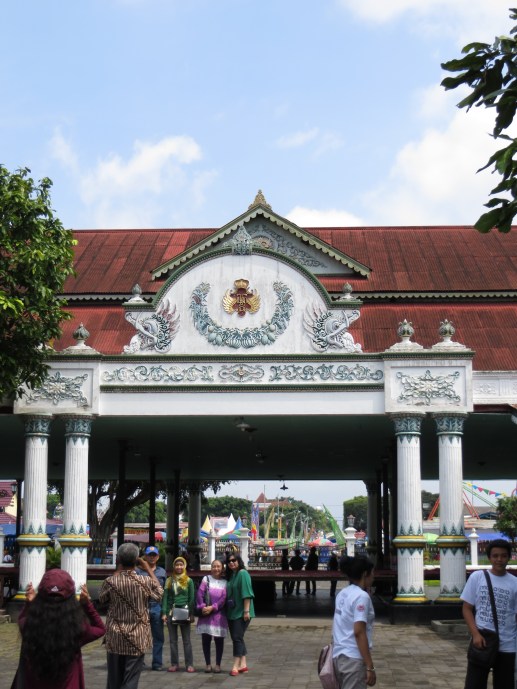
The Sultan's Palace of Jogjakarta
At the entrance of the Sultanate Palace of Yogyakarta

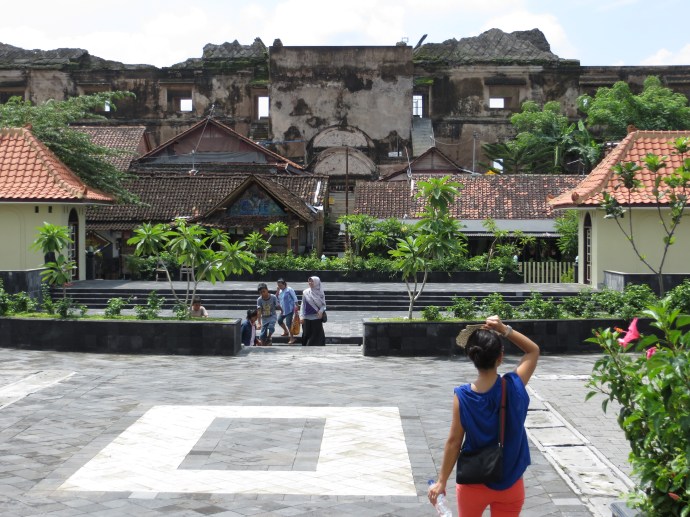
Ancient ruins of Tamansari, a bathing complex and water castle of the Sultanate of Jogjakarta
Searching for the ancient ruins of Tamansari, a bathing complex and water castle of the Sultanate of Yogyakarta

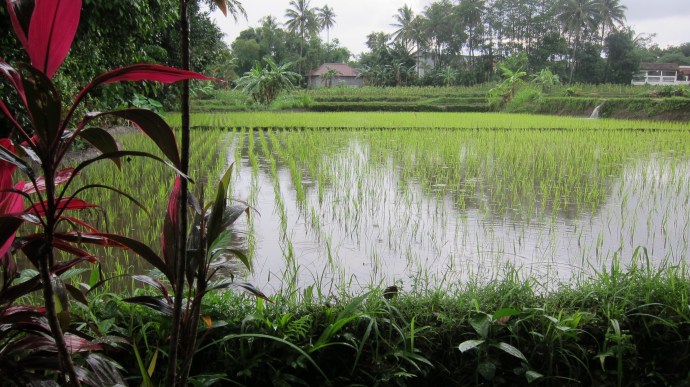
Rice field in the rain

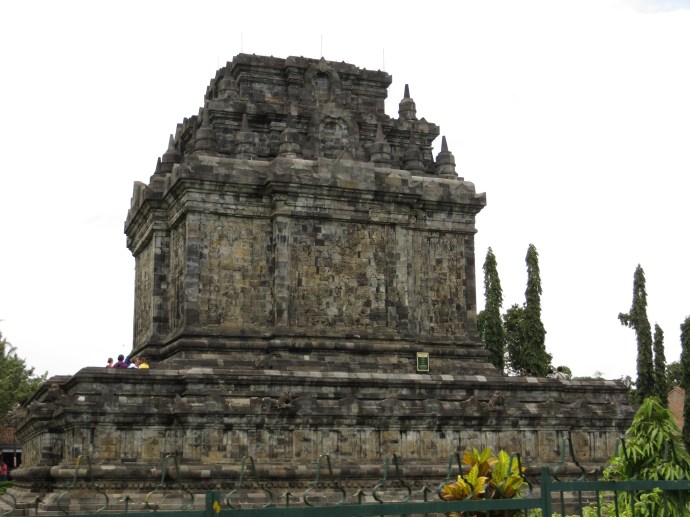
Mendut Temple

Mendut Temple, another 9th century Buddhist temple close to Borobudur

Hoped you enjoyed the read!

Next post: Surabaya and East Java

Photos property of The Traveling Chili Pepper

Touring the Motherland Series: Bali Island

It had been too long since my last visit to Bali, or Jogja in Central Java, or to Batu, Malang, or Trawas in East Java. Living 9800 miles away from home certainly has made it harder to visit Indonesia’s cultural gems. With my guy, who is also my best travel partner, we flew back to the motherland this past December. We regrouped with the families and reconnected with our native land. With unwavering travel ambition, we toured Java and Bali and re-immersed ourselves back in the culture. In a little bit over two weeks, we were reminded of the beauty, the comfort, the different faces, realities, and challenges of Indonesia. 

Here’s a glance at a country loaded with cultural diversity and natural beauty. We took pictures of parts of Java and Bali—two islands among thousands in Indonesia’s archipelago. The dissimilarity of ethnic group, language, culture, and cuisine within the nation would easily fascinate anyone. Indonesia’s islands, parts of islands, urban cities, smaller towns, and villages offer different feels and views, you’d be surprised you’re still in the same country. Rich. Rich, I tell you.

I’ll do Java on the next posts. For now, let’s check out:

Bali Island


Thanks for reading!  

Next posts: Central and East Java 

Photos property of The Traveling Chili Pepper